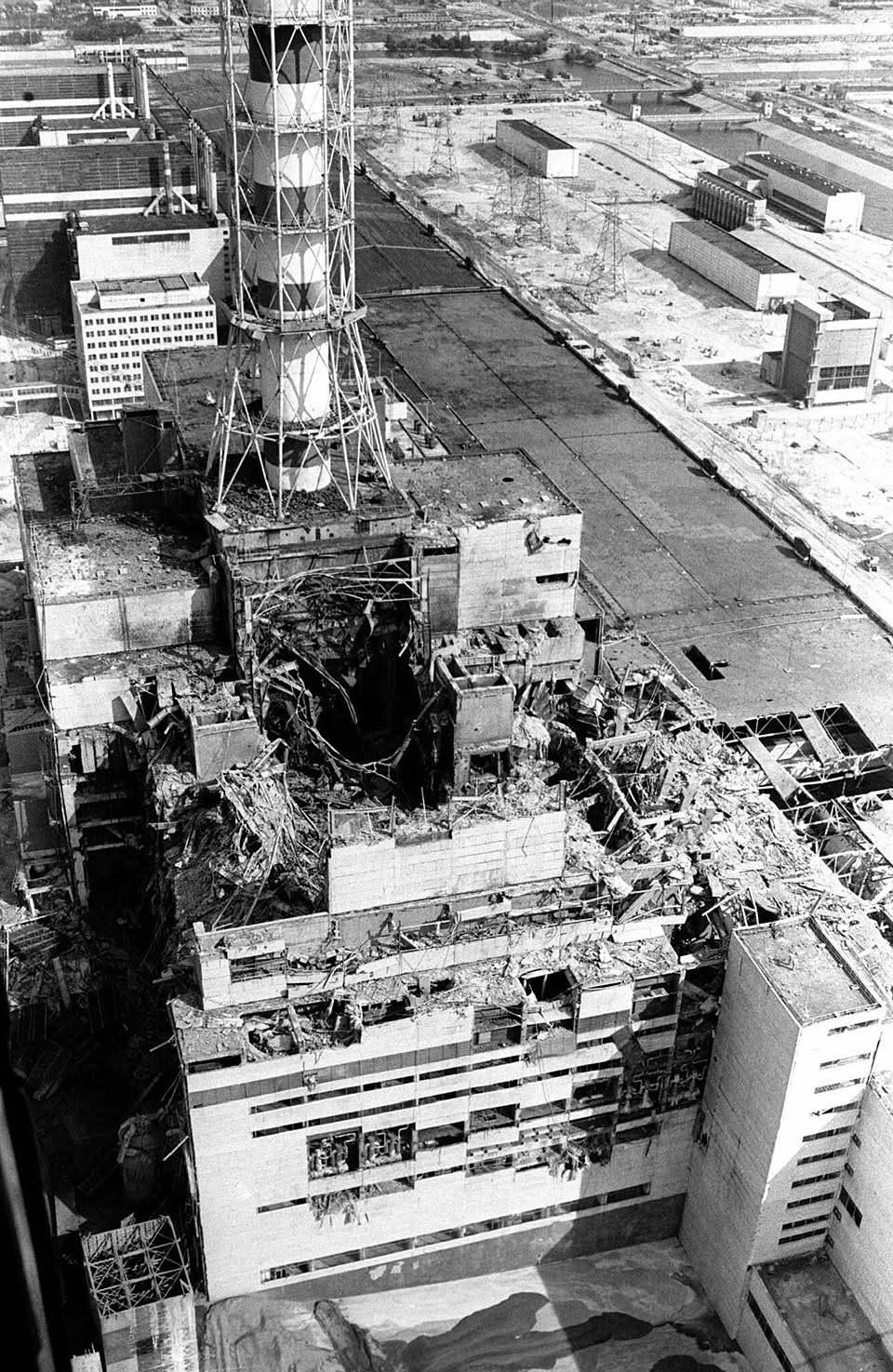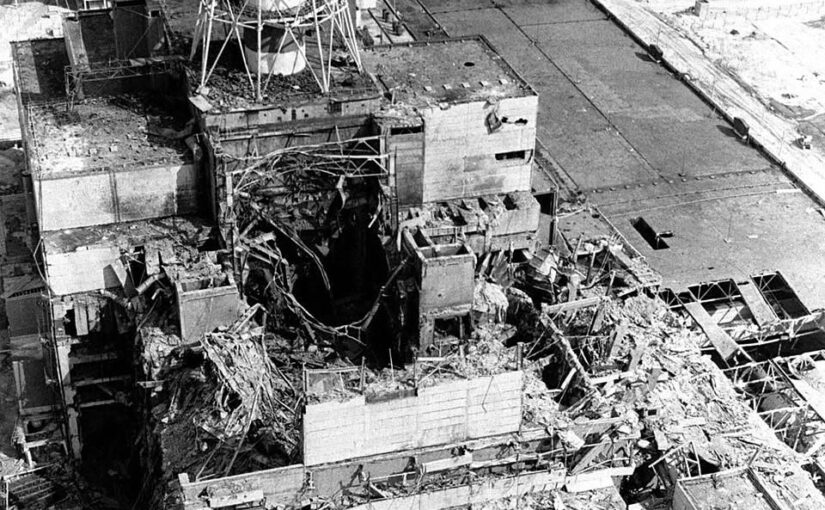
On 26 April 1986, the Unit 4 RBMK reactor at the nuclear power plant at Chernobyl went out of control during a planned test at low power, leading to an explosion and fire that demolished the reactor building and released large amounts of radiation into the atmosphere.
A toxic combination of defective reactor design, deficient safety analysis, disregard for operating procedures, prioritization of power production over safety, and lack of independent regulatory oversight led to the worst nuclear reactor accident in history.
The RBMK design was developed by the same organizations involved in Soviet nuclear weapons, so the same extreme level of secrecy was brought to civilian power reactors. It was forbidden to make public any information about incidents even at foreign plants — technical information about the Three Mile Island accident was classified in the USSR.
Forty years on, the site itself remains a sobering reminder. The EU has financed more than €1 billion worth of activities in Ukraine for nuclear safety, including €423 million for the New Safe Confinement — a massive arch structure placed over the destroyed Unit 4 to prevent radioactive leakage. Following a Russian drone strike in February 2025, this structure was badly damaged. The war in Ukraine has given the anniversary a particularly grim dimension, with the world reminded that nuclear facilities face threats that go beyond engineering.
Well before Chernobyl, Sakharov had been one of the first scientists to publicly quantify the danger of nuclear fallout. In 1958, Sakharov published an estimate of the long-term health impacts from carbon-14 produced by nuclear test explosions in the atmosphere — his first public expression of concern about the weapons work in which he was involved.
When the full scale of the disaster became apparent to him, Sakharov used his moral authority to make a powerful public argument — one that has shaped nuclear safety thinking ever since. Sakharov concluded that mankind cannot renounce nuclear power, and that technical means must be found to guarantee its absolute safety and exclude the possibility of another Chernobyl.
Sakharov put it directly: “People concerned about the potential harmful consequences of the peaceful use of nuclear energy should concentrate their efforts not on attempts to ban nuclear power, but instead on demands to assure its complete safety.”
Perhaps Sakharov’s most lasting contribution was not a specific technical fix, but his insistence on openness as a prerequisite for safety. Throughout the 1970s and 1980s he argued that scientific secrecy and political control of information were themselves dangerous — and Chernobyl dramatically proved him right. He frequently emphasized that nuclear dangers demanded international cooperation and transparency, and his stated concerns about proliferation and the risks of secrecy became central to the post-Chernobyl consensus on nuclear governance.
Sakharov was not the engineer who redesigned nuclear reactors after Chernobyl, but his contributions operated at a deeper level. He was among the first scientists to rigorously quantify radiation risk to the public, he helped bring about the first nuclear test ban treaty, he argued forcefully (and presciently) that secrecy was incompatible with safety, and after Chernobyl he publicly championed both the underground siting of reactors and universal containment structures — ideas very much in line with modern best practice. His greatest legacy may be the principle that scientific honesty and political openness are not luxuries but essential components of nuclear safety itself.