
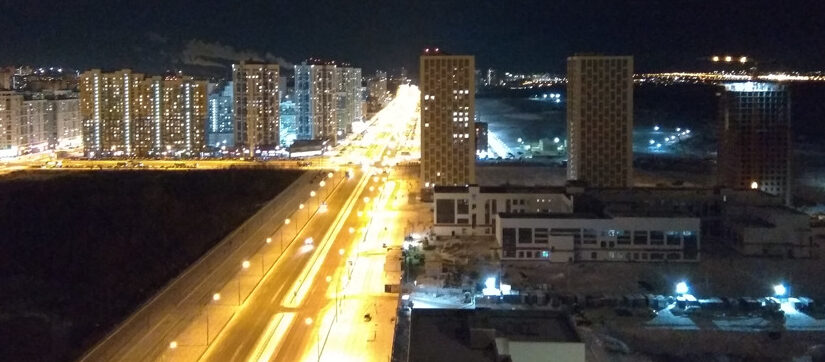
Andrei Sakharov Avenues in Russia
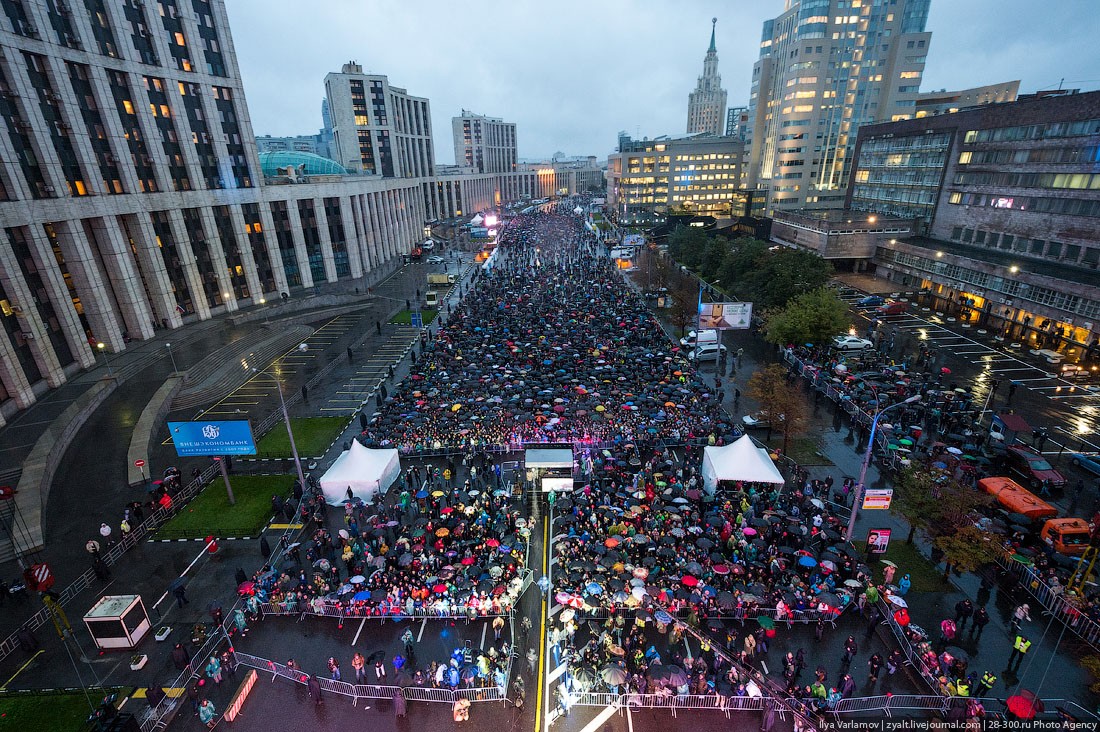
Many people know of an avenue in central Moscow called “Prospect of Academician Sakharov.” The avenue, named after Andrei Sakharov soon after his death, served as a gathering place of opposition demonstrations on multiple occasions and remains a sore in the eye of certain types of Russian patriots, who periodically demand to remain the street, asserting that the famous scientist was a traitor for criticising the human rights’ abuse in his country.
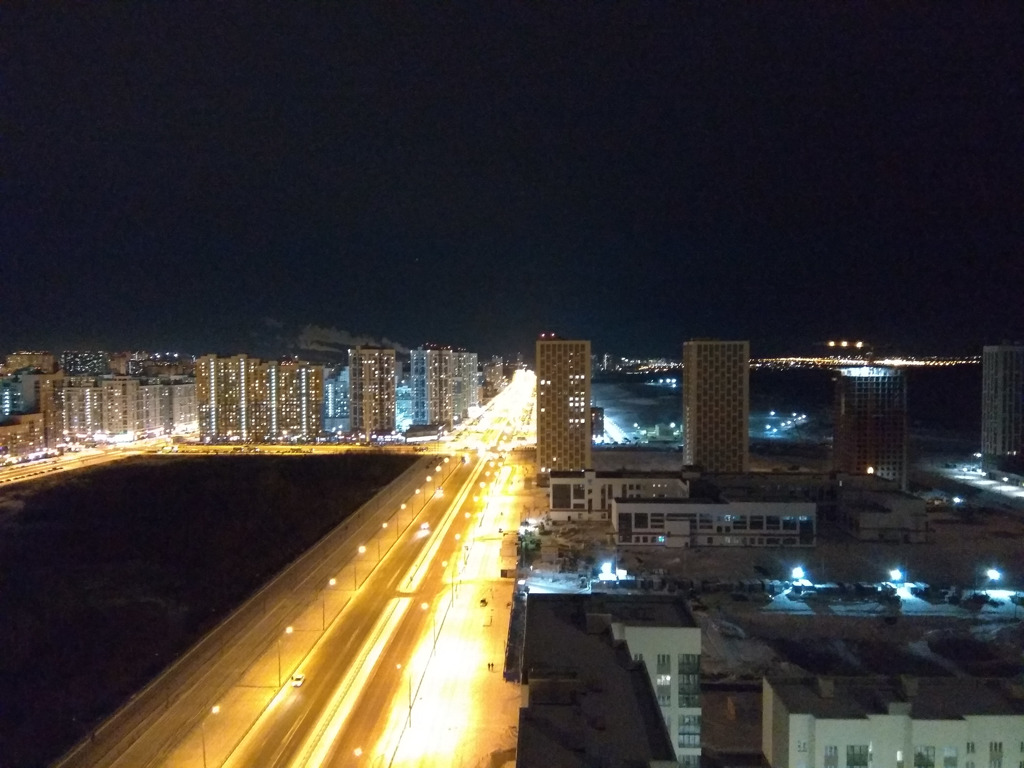
Another avenue, named after Sakharov, is perhaps a little less well known. Yet, it is a massive thoroughfare, with three car lanes, bike paths and sidewalks in both directions. It is located in Ekaterinburg, one of the largest Russian cities and the regional center in the Ural region. The avenue, which received its name to mark the 90th anniversary since Sakharov’s birth in 2011, is in the middle of a burgeoning Academic district of the city where a number of adjacent streets are named after prominent scientists, and in one case, a local well-known writer, in another, a local well-known surgeon.
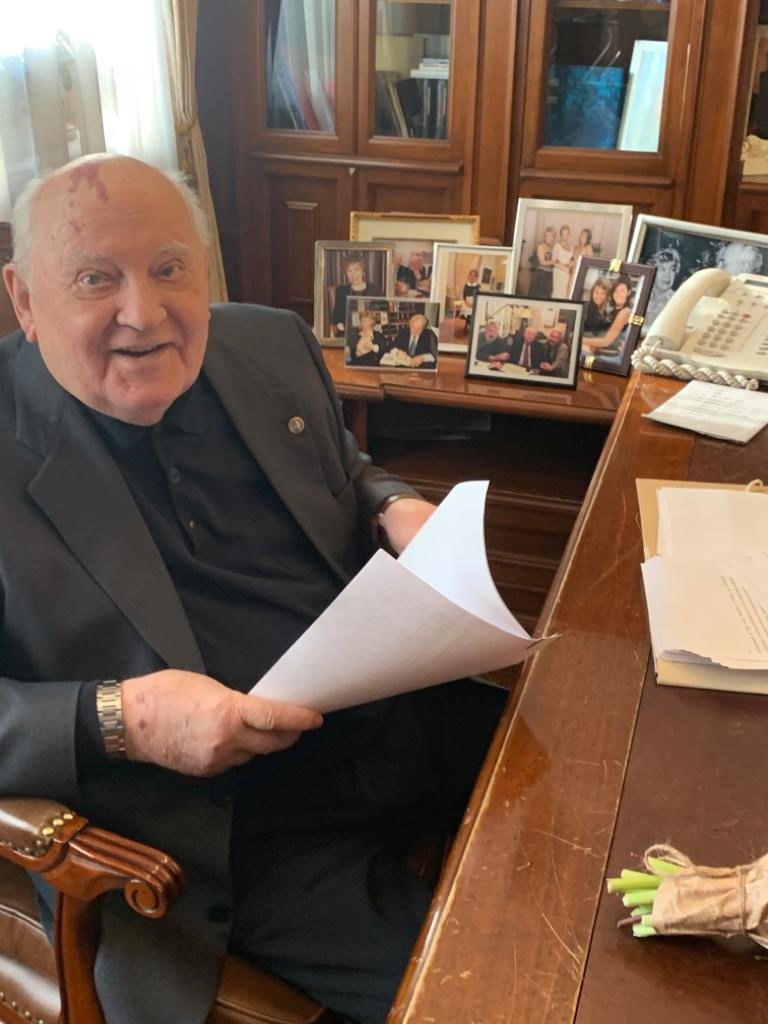
Today marks three years since Mikhail Gorbachev passed away
Today marks three years since Mikhail Gorbachev, the first and last President of the Soviet Union and a man who played an important role in bringing the Cold War to the end, passed away.
In the spring of 1985 Gorbachev took the top job in the Soviet hierarchy after the three Soviet leaders died in the space of two and a half years. Aged just 54, Gorbachev was a youngster by the Politburo’s standards. Gorbachev inherited a country crippled by falling oil prices and by decades of the Soviet economic mismanagement. He realised that a change was unavoidable, advocating for more openness (‘glasnost’) and for reform (‘perestroika’), with the elements of market economy. By December 1986, Gorbachev returned Andrei Sakharov from exile in Gorki and began a process of releasing political prisoners.
 In his few years at the top job Gorbachev and his wife Raisa Maksimovna won hearts of millions around the globe. They were sincere, cordial and committed to one another in a touching and endearing way. Yet, in Russia Putin’s propaganda worked tirelessly on vilifying Gorbachev and spreading rumors about him. The propaganda machine laid blame on Gorbachev for the collapse of the USSR (a sore for their boss, as Putin called it the “greatest geopolitical catastrophe.”) There had been an infinite number of falsehoods circulating about him: claims that he acquired vast riches (Gorbachev was so poor that he famously signed an advertisement contract with Pizza Hut!) or that he left Russia (he never did and spent his last years as a resident patient of a Moscow hospital) or even that he was recruited as a child by the Nazis to bring an end to the USSR by the end of the 20th century! Putin’s zeal in damaging Gorbachev’s reputation is a testament to Gorbachev’s important place in history. At the end of his life Gorbachev, increasingly critical of Putin, said that there would be no Perestroika 2.0: in other words, he saw no grounds for optimism. While it was true for his time horizon, we are certain that Gorbachev will be judged ever more positively by his compatriots. Who knows? Perhaps, Russia will get a second chance with a Perestroika 2.0 and democratic freedoms and human rights for all?
The Helsinki Accords: the inspiration that did not last?
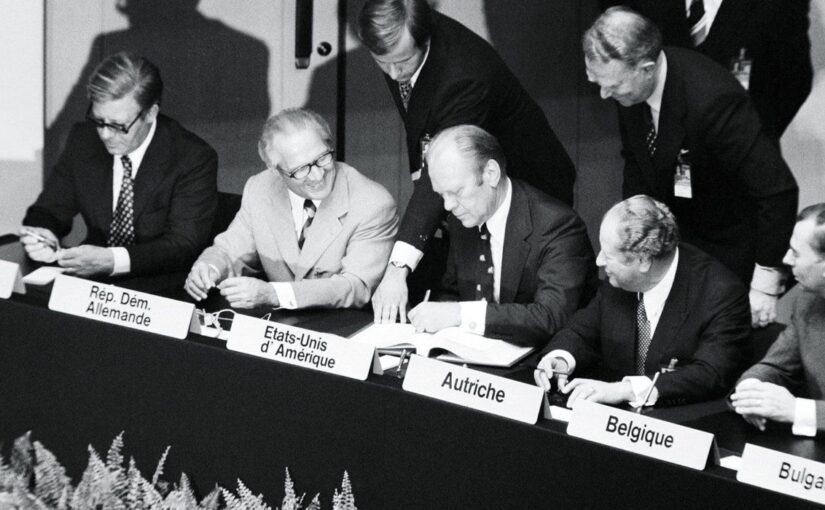
A diplomatic agreement among 35 participating countries, the Helsinki Accords were signed half a century ago on August 1, 1975, as part of a broader effort to ease tensions between the Soviet Union and the Western bloc during the Cold War. In order to reduce Cold War tensions, the signatories agreed to accept post-WWII European borders, to promote economic and scientific cooperation among the countries and to respect human rights. Although non-binding, the accords established a framework for dialogue on security, economic, and humanitarian issues. Soon, monitoring the Accords’ violations gained prominence in the activities of the Soviet dissidents, with the human rights provisions being the focus of their efforts.
The Helsinki Accords crowned difficult and protracted negotiations that last years (even, decades). Upon the execution of the historic document, the then US president Ford offered his words of wisdom:
“History will judge this conference not by what we say here today, but what we will do tomorrow – not by the promises we make, but by the promises we keep”.
Over time, the Helsinki Accords were deemed an important tool to bring an end to the Cold War. But the new fault lines formed in Europe later on, and today, on the 50th anniversary of the Accords, History may judge us harshly: arguably, the global situation never deviated as far from the Accords’ principles, nor have the catastrophic risks facing humanity been higher.
On September 18th, Lithuania-based Andrei Sakharov Research Center for Democratic Development will organise a conference in Vilnius, dedicated to the anniversary of the Helsinki Agreements. The conference will address the critical points of the Cold War’s history and discuss a need for a new agreement framework.
Milan conference in memory of Anatoly Marchenko
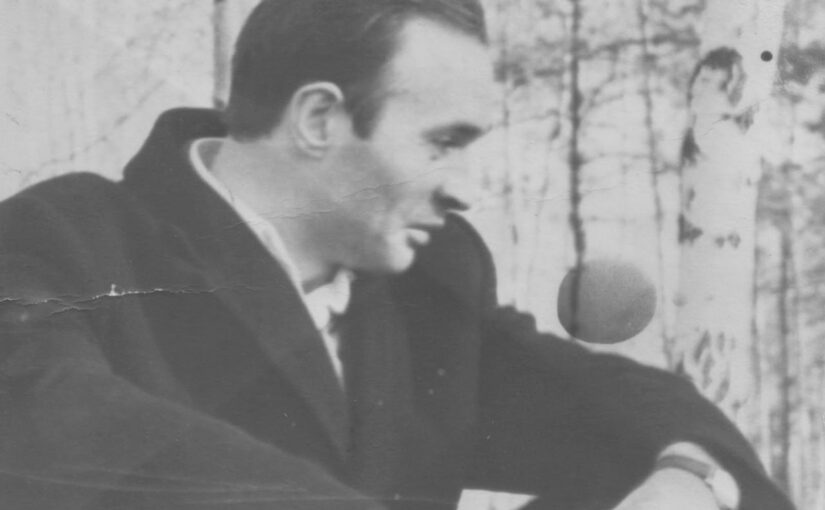
Università Cattolica del Sacro Cuore (Catholic University of the Sacred Heart) in Milan will hold a conference on November 3-5, 2025, dedicated to the life of Anatoly Marchenko, a Soviet dissident, who died in the Soviet prison in Chistopol in 1986 as a consequence of a prolonged hunger strike.
When Andrei Sakharov agreed to land his name to establish what has become arguably the most significant human rights award in the world, the EU Sakharov Freedom of Thought Prize, he did so on one condition: Marchenko had to become (posthumously) its first recipient. In the event, the first Sakharov Prize was awarded jointly to Marchenko and Nelson Mandela in 1988.
The role of Marchenko in the Soviet dissident movement is widely recognized. Yet, his biography and his works are not well known. Marchenko was an ‘accidental dissident’: a foreman in an oil drilling group in Siberia, he was arrested, aged 20, for being involved in a fight. His background was humble: his illiterate parents were low skill workers of peasant origins, which made his own keen awareness of the injustices of the Soviet system not very likely. While serving his first prison term, Marchenko made friends with political prisoners, whose thinking greatly influenced him. He became a civil and human rights activist in his own right, which landed him in prison many more times.
Marchenko wrote autobiographical books “My Testimony”, “From Tarusa to Chuna”, and “To live like Everyone.” His books are highly regarded for their powerful and firsthand accounts of the brutality of the Soviet penal system and his experiences as a dissident. His clear, poignant prose and the books’ ability to provide a rare, unflinching look into the lives of prisoners and the reality of post-Stalin Soviet society never fail to make a strong impression on the reader. His work is considered an important indictment of the Soviet system and a testament to the courage of those who oppose totalitarian regimes.
The facebook page of the conference:
https://www.facebook.com/events/1375711086955657/
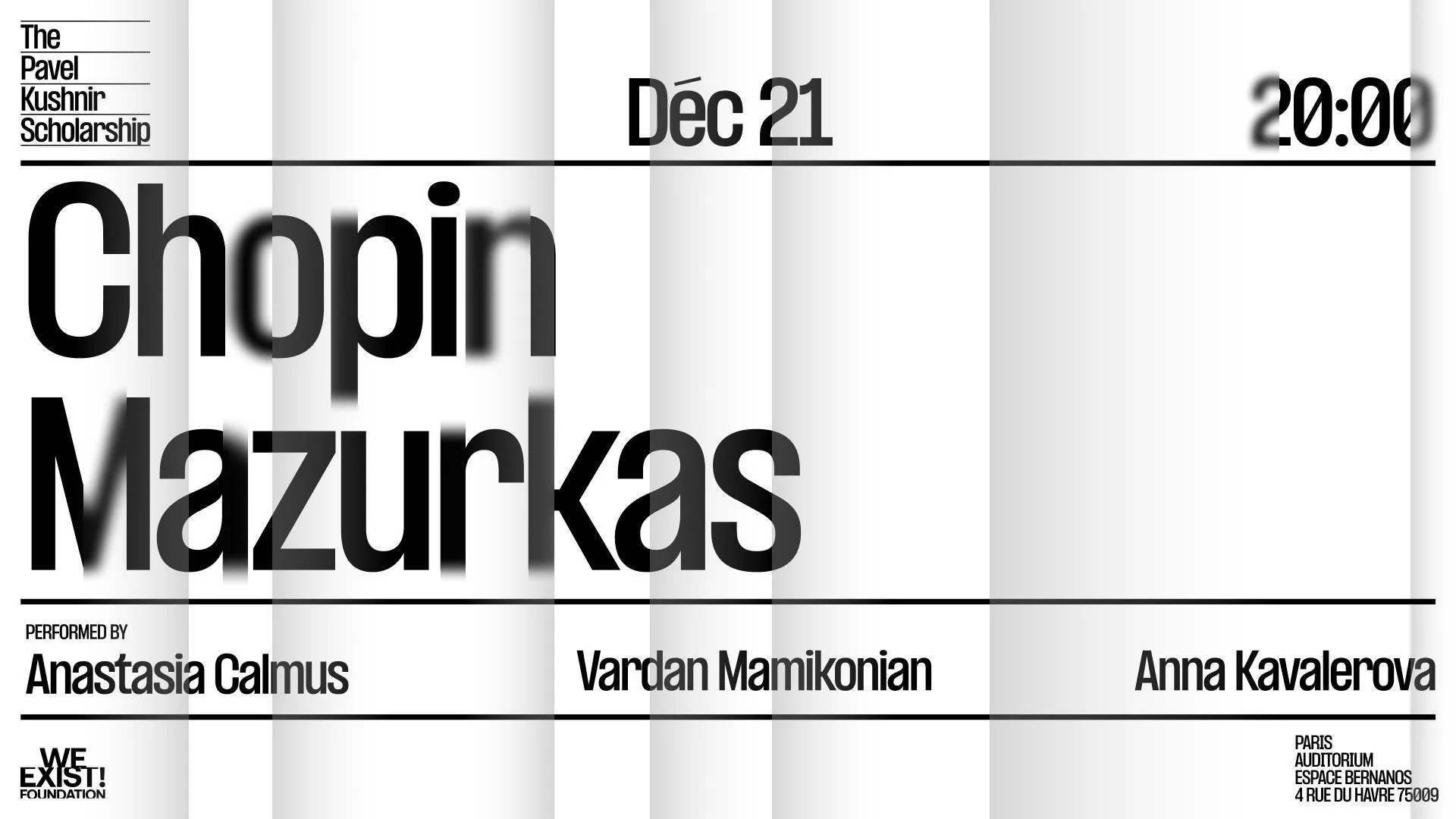
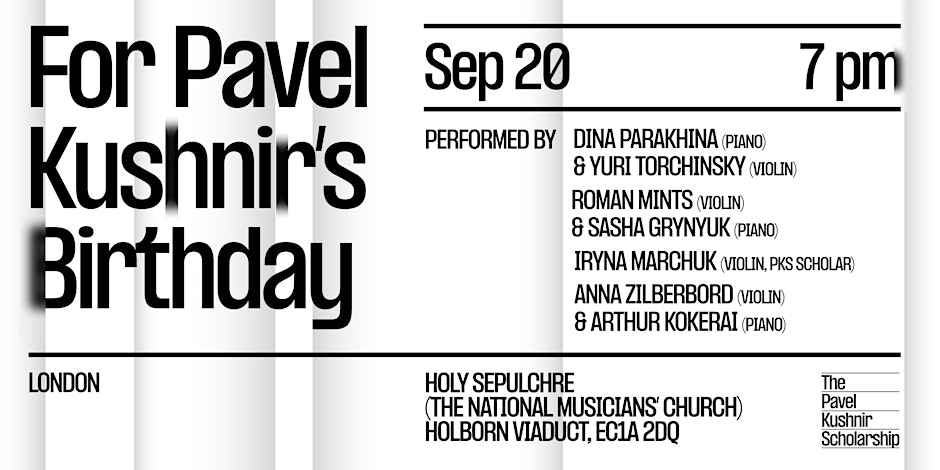
Remembering Pavel Kushnir, a pianist and civil activist
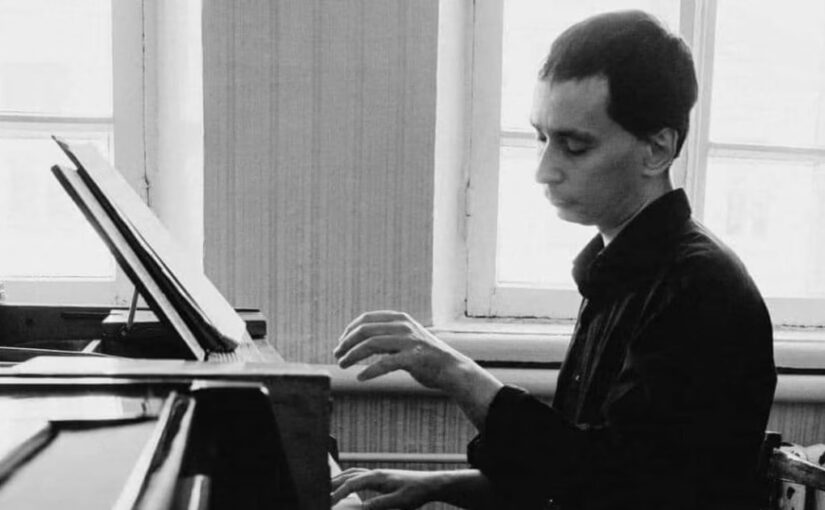
A year ago, on July 27, 2024, Pavel Kushnir died in detention in Birobidzhan, the administrative center of the Jewish autonomy on the Russian-Chinese border. A thirty-nine year old graduate of the Moscow Conservatoire, Kushnir was raised in a musical family and proved an exceptional musician, perfoming as a soloist in the philharmonics of Yekaterinburg, Kursk, and Kurgan before becoming a soloist with the Birobidzhan Regional Philharmonic in 2023.
In 2024 Kushnir was arrested by FSB for posting four videos on his YouTube channel, which had five subscribers. For these videos, in which Kushnir called Putin’s Russia ‘a fascist state,’ he was accused of public calls to terrorist activity.
Talented pianist had a long history of civil activism, which included taking part in protests at Bolotnaya in Moscow in 2011-2013, pickets against the annexation of Crimea and protests against the war in Ukraine in 2022. In 2024 he became the first political prisoner in modern Russia to die in detention from a hunger strike while his case remained unknown to human rights defenders.
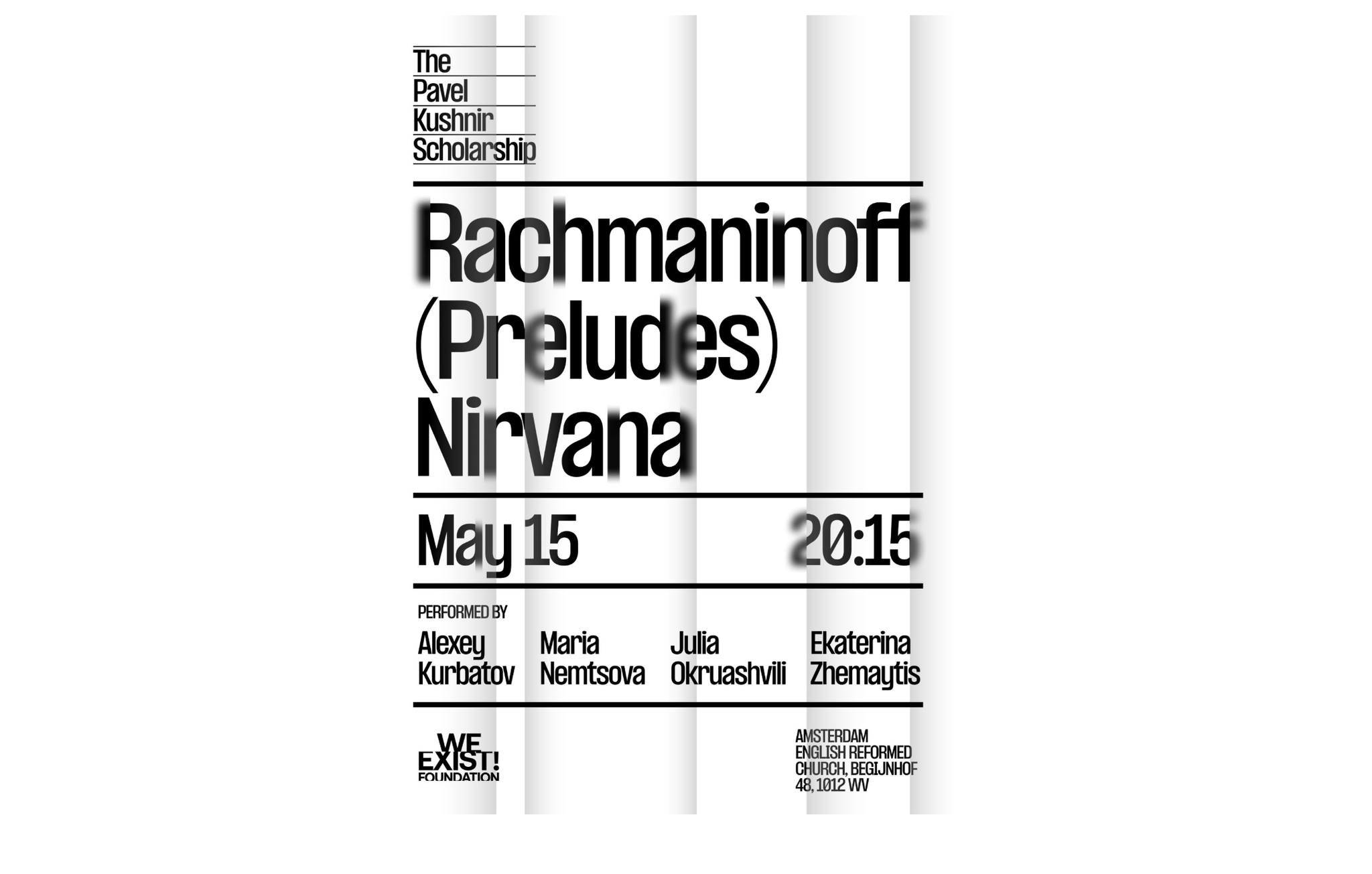
Not seeking publicity and fame in life, Kushnir became widely known in death, with listeners greatly appreciating his surviving recordings. In 2024, a scholarship named after Kushnir was created in London by producer Roman Liberov and entrepreneur Eduard Panteleev. The goal of it is to help student musicians from Russia, Ukraine, and Belarus continue their studies abroad. This year, thirteen students were supported in their musical studies by the new Pavel Kushnir scholarship.
UPD: The video with Pavel Kushnir performs Rakhmaninov:
https://www.youtube.com/watch?v=C4fu53vaRJA
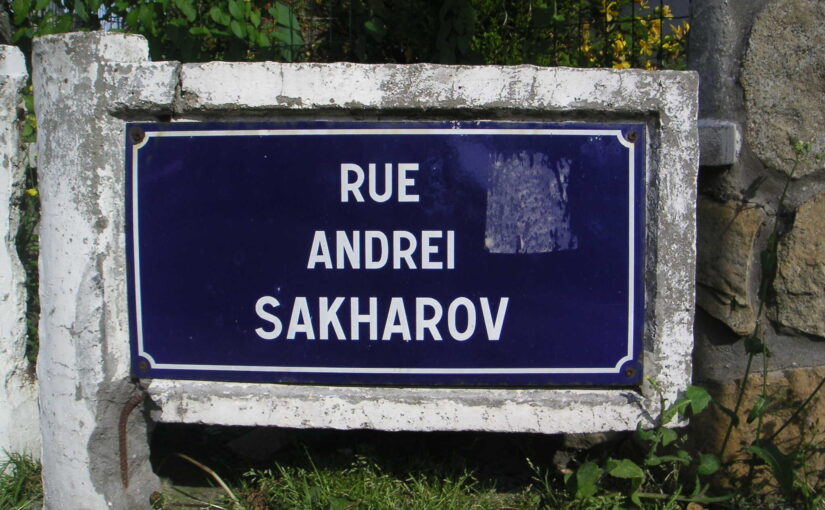
A street named after Andrei Sakharov at French resort
In 1984 when Andrei Sakharov went on a hunger strike in exile in Gorky he was forcibly hospitalized with no opportunity to communicate even with his wife. His family, colleagues and friends had no reliable information about his condition or even his exact whereabouts.
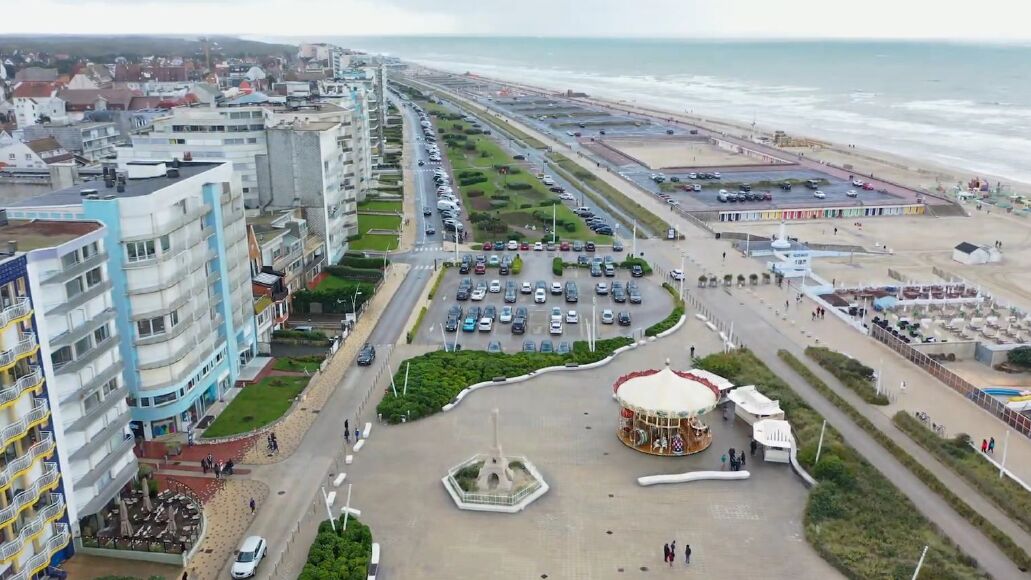
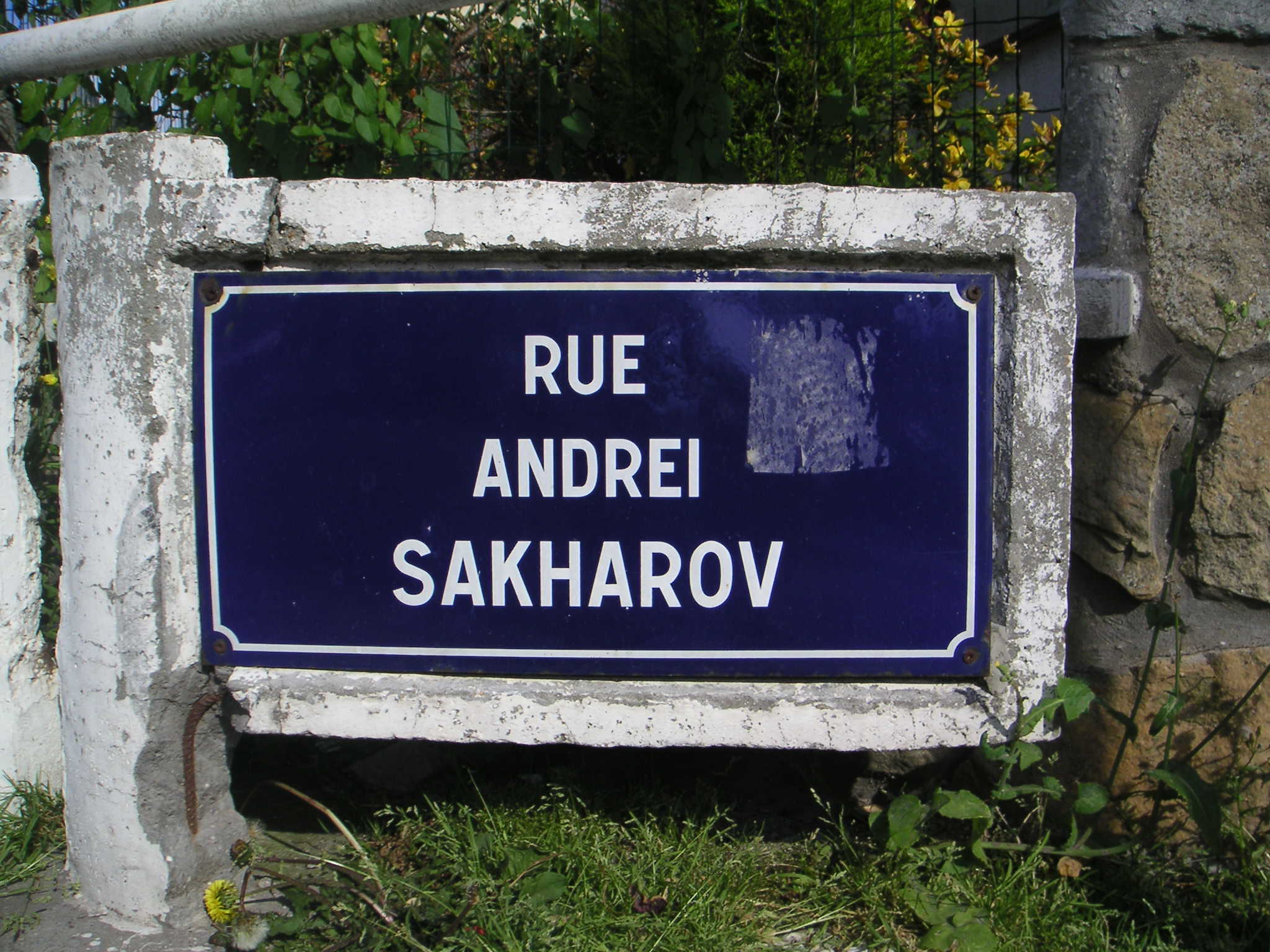
Around the world people impressed by Sakharov’s ideas tried to draw attention to his plight through different actions. One of those actions took place in a tiny French resort Le Touquet, aka Paris-Plage. Le Touquet is a popular seaside resort in northern France known for its sandy beaches, sports activities, and charming atmosphere. It’s also known as “Paris Plage” due to its popularity with Parisians and its proximity to the capital. In 1984, François Leotard, a French politician and a future minister of defence led an opening ceremony of Rue Andrei Sakharov, a small street adjacent to Rue Moscow.
Tel Aviv University scholarship recipients
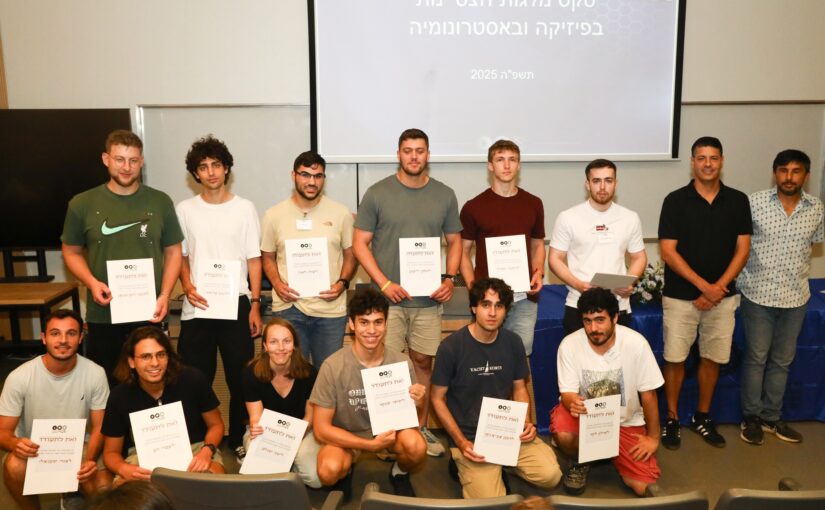
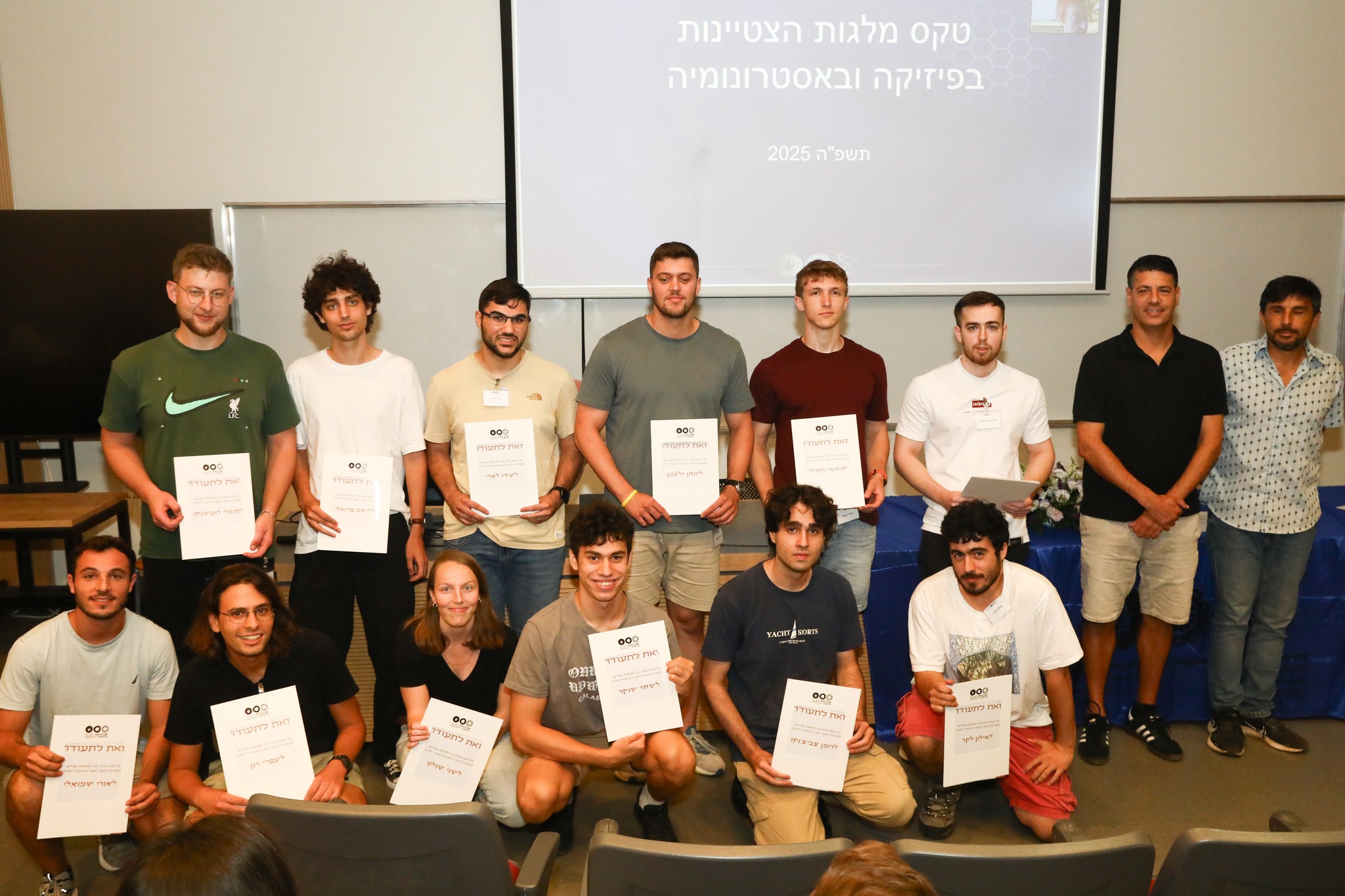
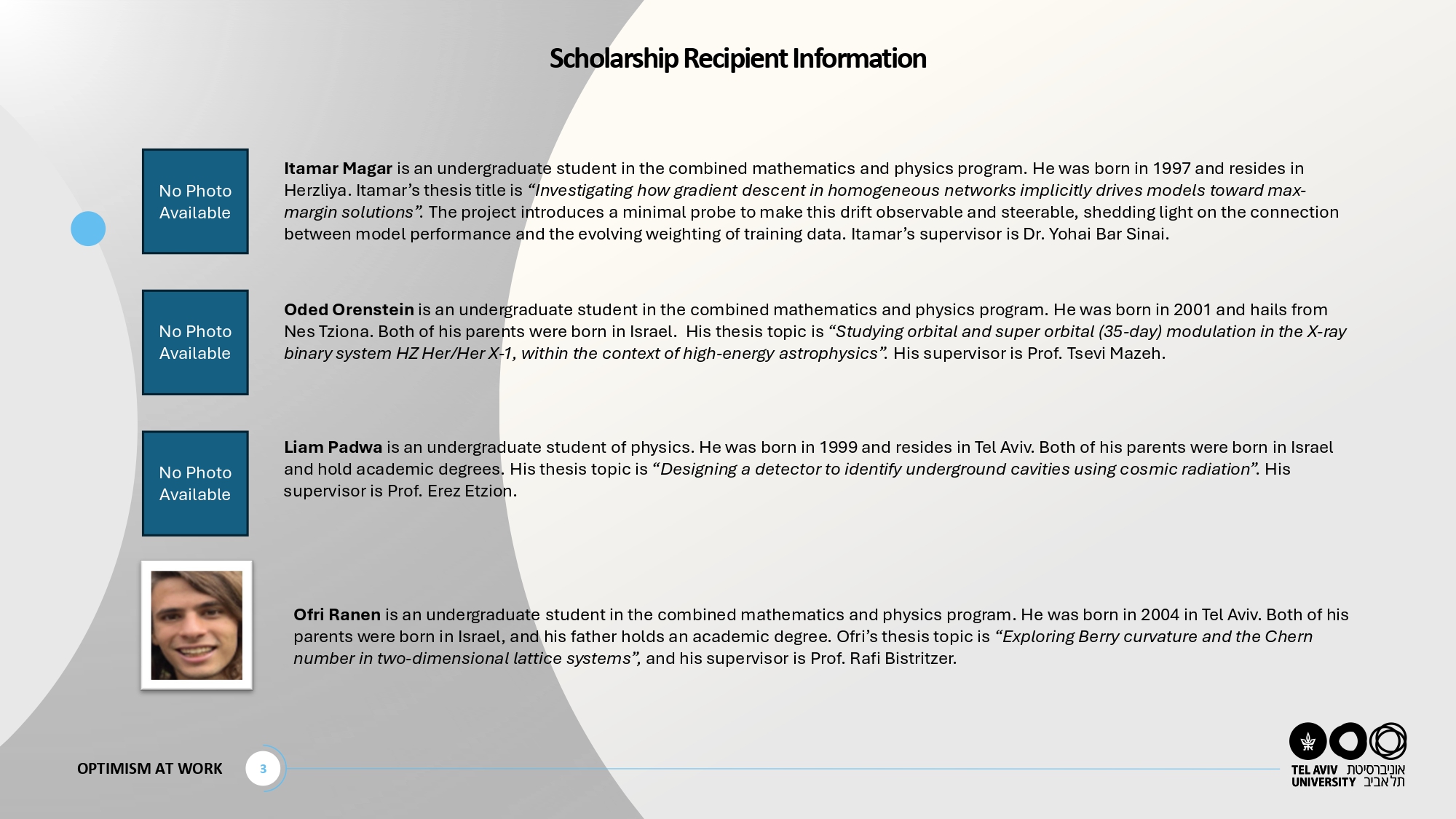
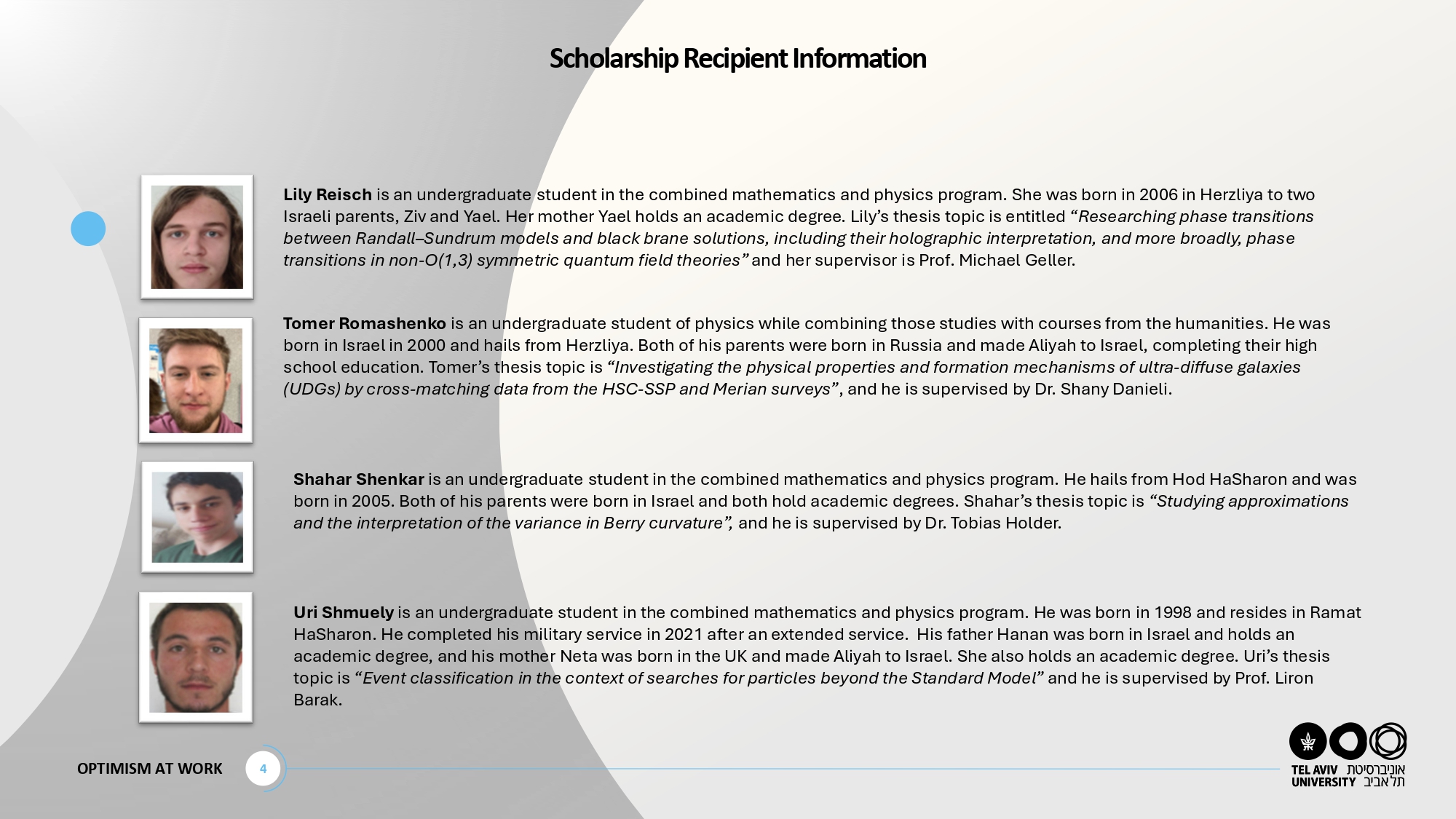
The Andrei Sakharov Excellence in Physics program at Tel Aviv University, initiated and funded by the Andrei Sakharov Foundation with the generous support of our donors, is in its second academic cycle!
The first twenty-five Sakharov award’s recipients, selected as the outstanding students, had completed their degrees this summer. This month, a new group of sixteen students received the Sakharov award for the coming academic year at a end-of-the-year ceremony.
The ASF congratulates the new Sakharov scholars (pictured below with their professors) and wishes them every success in their scientific endeavor!
Fifty-seven years ago Sakharov’s “Reflections on Progress, Peaceful Coexistence and Intellectual Freedom” sent waves around the world.
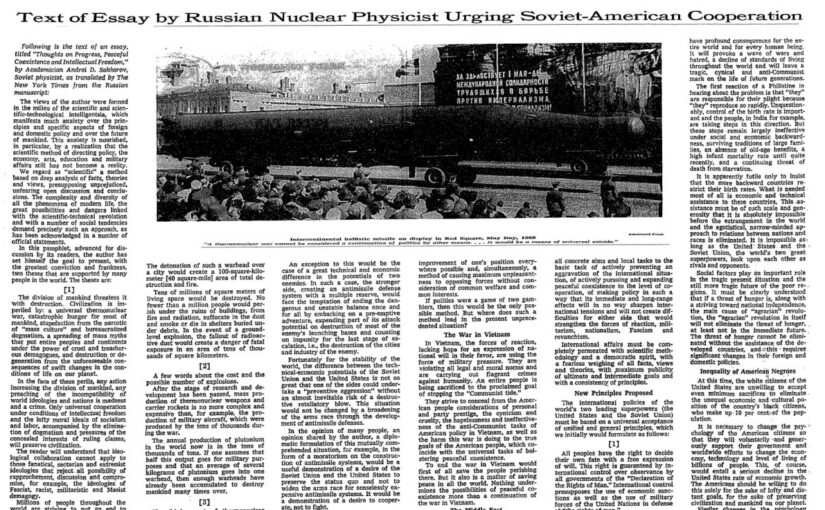
Fifty-seven years ago today, on 22 July 1968, Sakharov’s “Reflections on Progress, Peaceful Coexistence and Intellectual Freedom” sent waves around the world. The New York Times chose to publish the entire English version of the text, covering three full pages of the newspaper. Westerners were shocked to hear a voice of reason, with an emphasis on common values, coming from behind the Iron Curtain. The Soviet officials fumed, unable to understand how a Soviet citizen, whom they showered with awards and prizes, who was granted access to the highest level of services that money could not buy in the USSR, dared to risk all of that for a vague concept of ‘intellectual freedom.’
To be fair, Sakharov, who did allow the leak of his manuscript to the West, at first attempted to use his privileged channels of communication to engage in discussion with the CPSU Central Committee members and the Soviet premier, Leonid Brezhnev. He worked on his manuscript in open, with his Arzamas-16 secretary tasked with typing up his handwritten text. He read some parts of it to his science director, Yuli Khariton, a brilliant Cambridge-educated physicist. Khariton was petrified. Sakharov also read his manuscript and discussed his publication plans with Klavdia, his first wife, who by then was succumbing to terminal cancer. Just like Khariton, Klavdia expressed her fears; yet, she showed steadfast support to her husband, telling him he had a right to say what he believed in.
Sakharov felt the urgency of such a discussion in light of the recent Cuban Missile Crisis and rapid technological advances in nuclear warfare. Convinced that international security cannot be achieved without intellectual freedom and human rights, Sakharov sent his manuscript to the top echelon of the Soviet leaders, inviting them to start a dialogue with their Western counterparts.
Met with a wall of silence, Sakharov realized that he had no other choice but to draw attention to the matter from a different angle. That year, Sakharov’s Reflections became the third most printed book in the world.
Sakharov’s signature foresight is on display in “Reflections”: well ahead of his time, he was able to identify and analyze many problems that the world would face some half a century later as well as predicting the use of the Internet and AI.
Pressure on the “Revolt Center”
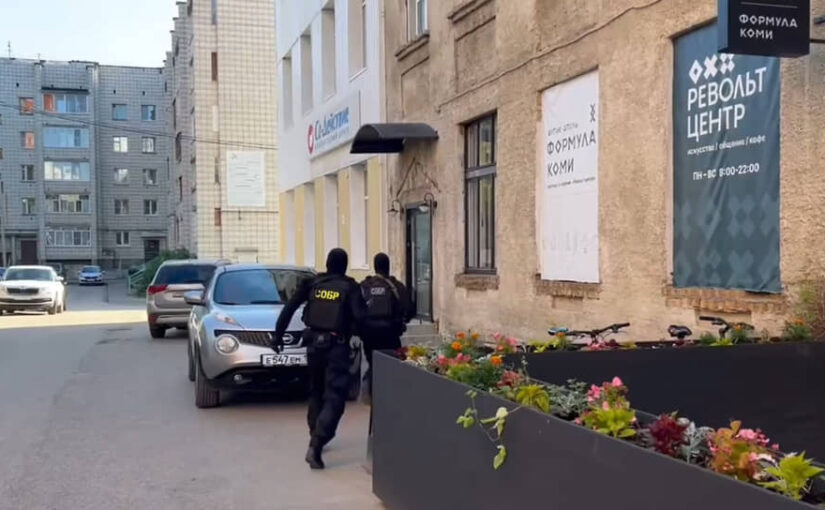
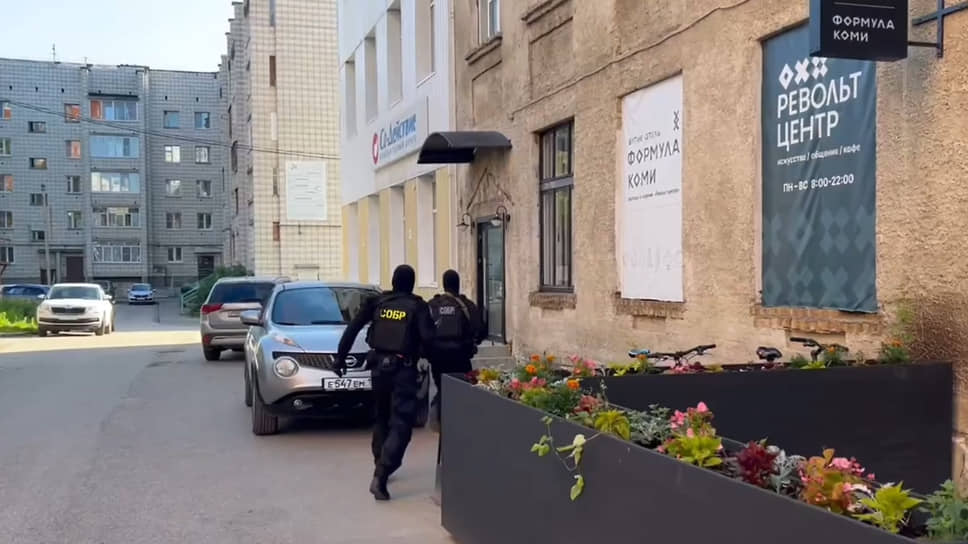
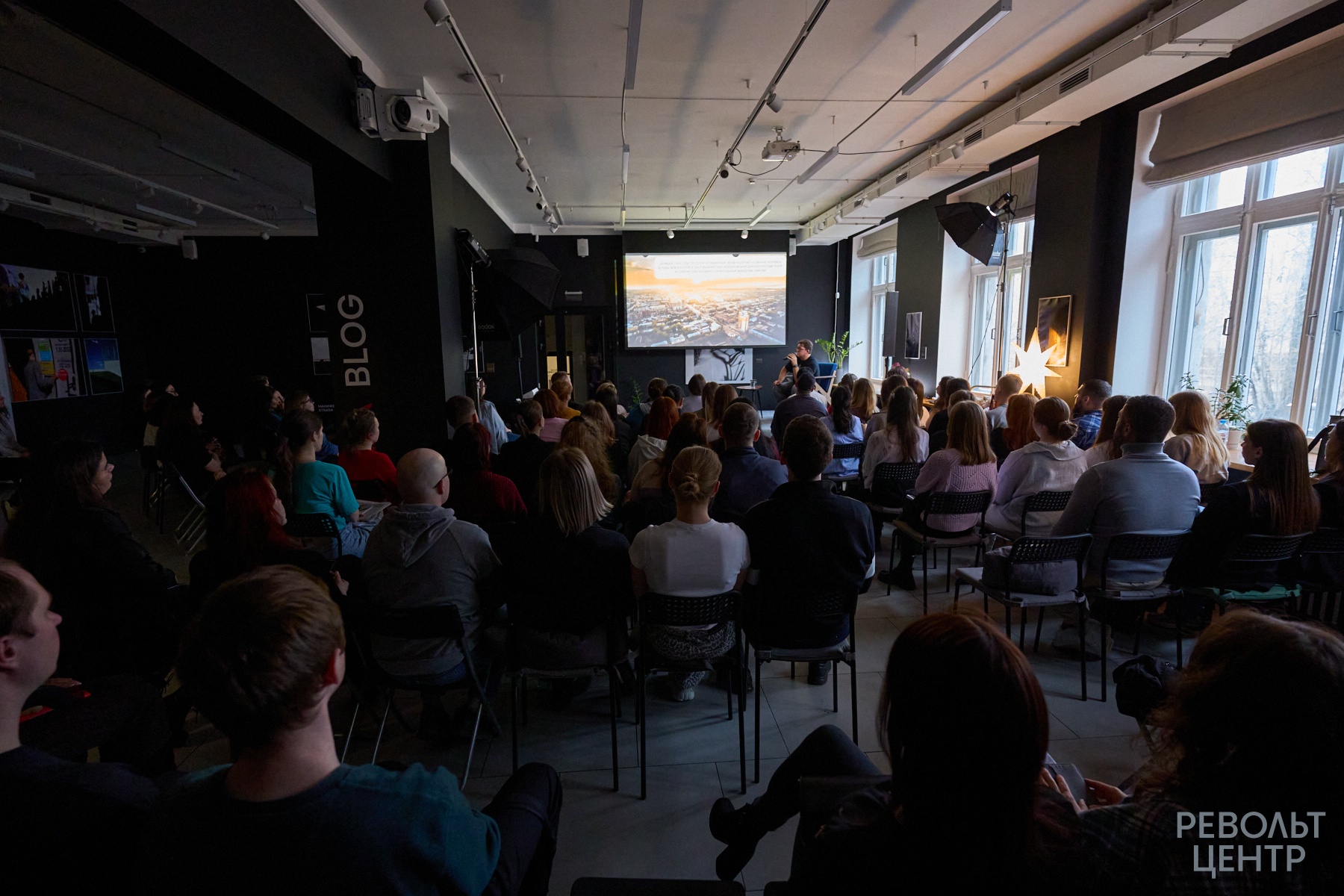
July 8th had been a busy day for FSB, the Russian security service, as they carried searches in apartments of journalists and human rights activists in a dozen of locations in diffirent Russian regions. It appears that the whole action was connected to Pavel Andreev, founder of Revolt Center in Syktyvkar, Republic of Komi. On Tuesday morning, heavily armed and masked law enforcement operatives raided Revolt Center, later releasing their video; they also searched apartments of several people who took part in the Center’s seminars.
The FSB’s release heavily hinted at Andreev’s ties to NATO, further suggesting possible treason charges. Andreev currently resides in France, in relative safety. Darya Chernishova, the director of the Revolt Center now is under criminal investigation for supposed violation of Russian foreign agents legislations.
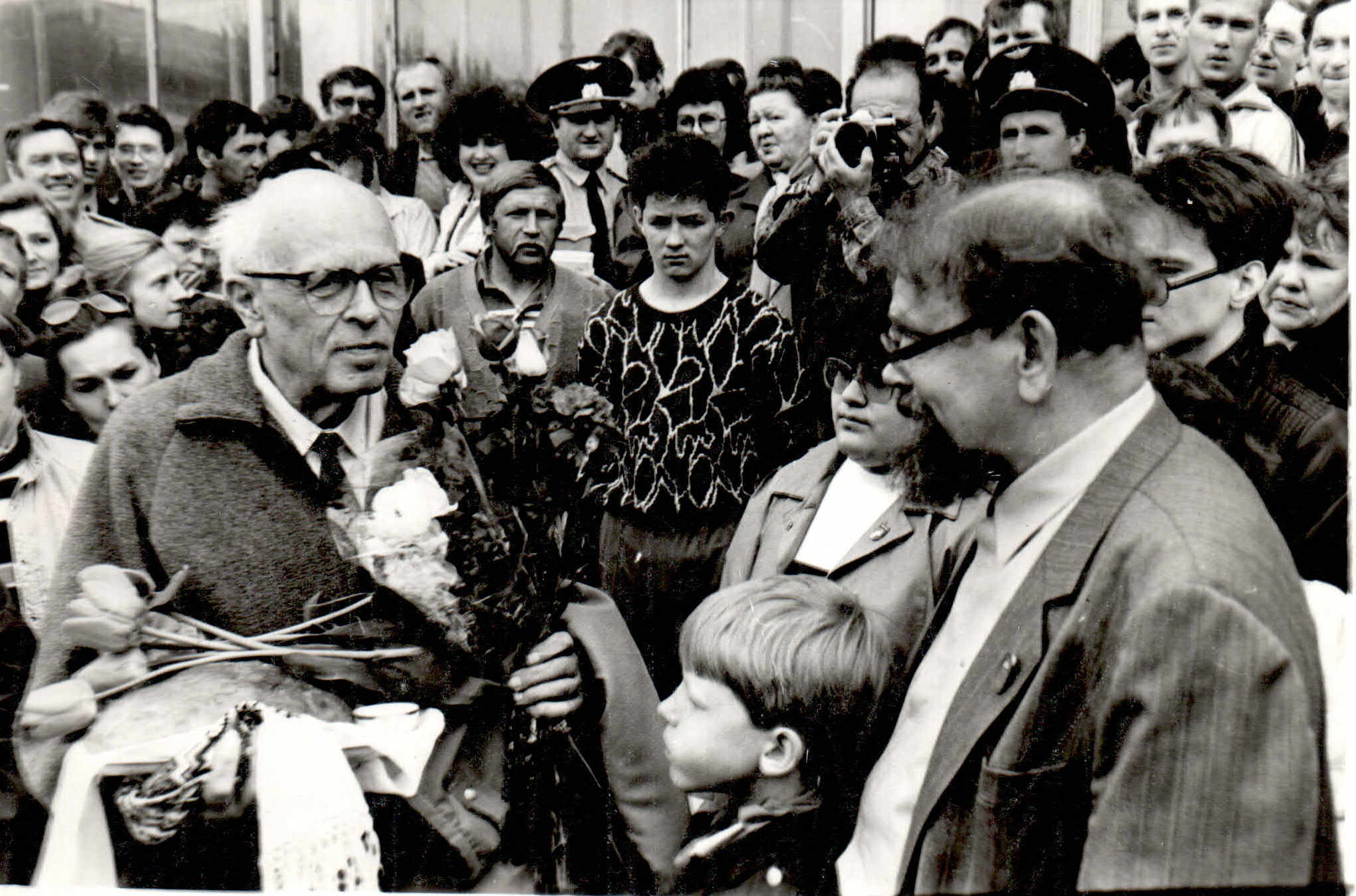
In Syktyvkar, the Revolt Center is named after Revolt Pimenov, the Soviet dissident who was exiled to Komi in 1971 for distributing anti-Soviet agitation. Having served his exile term, Pimenov, a mathematician by training, remained in Syktyvkar where during Gorbachev’s Perestroika he was able to head the local chapter of Memorial. In 1989, Pimenov greeted Sakharov, who was arriving to Syktyvkar in the course of the Duma’s election campaign.
Presently, Revolt Center remains closed, although its social media expressed hopes of re-opening in the near future.
Happy birthday, dear Pavel!
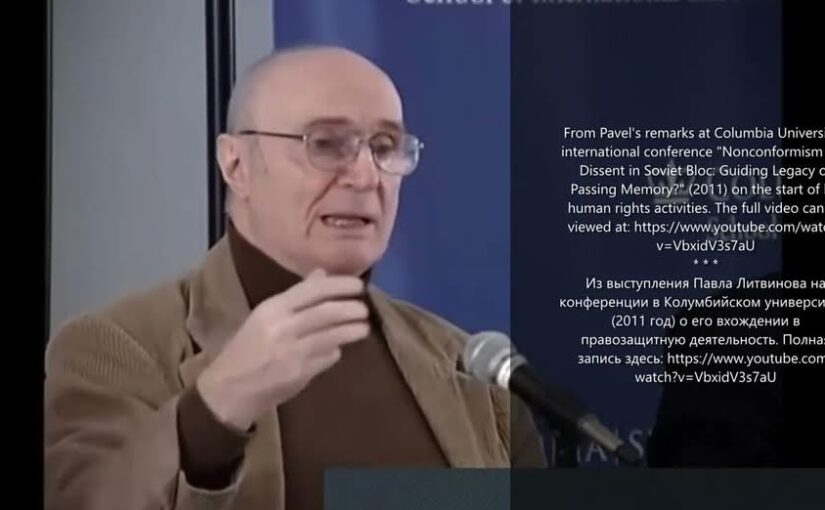
Pavel Litvinov, a living legend of the Soviet dissident movement, turned 85 on July 6th.
On August 25, 1968, Pavel was one of eight brave souls who held a public protest on Moscow’s Red Square, unfurling a famous banner, “For your freedom and ours.” They protested against the Soviet invasion of Czechoslovakia and all of them paid a high price for their defiance, receiving prison terms, internal exile and forced psychiatric treatment. The organiser of the demonstration was Pavel Litvinov, whose grandfather Maxim Litvinov had been Stalin’s foreign minister in the 1930s.
In 1974, having served his punishment in exile in Siberia, Litvinov was forced to emigrate to New York, where he continued to take part in human rights projects.
Pavel Litvinov’s remarkable biography can be viewed here.