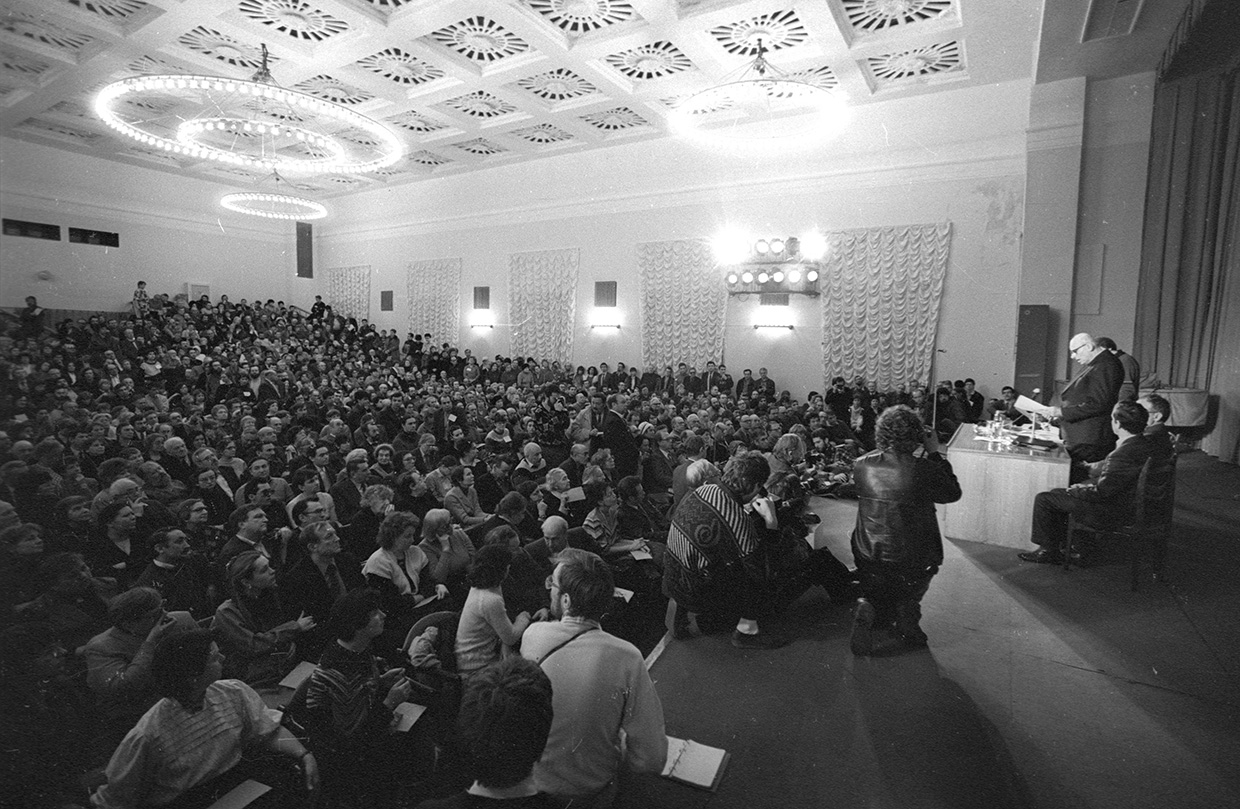
Legislative elections were held in the Soviet Union on 26 March 1989 to elect members of the Congress of People’s Deputies (CPD), with run-offs continuing through May. They were the first partially free nationwide elections held in the Soviet Union and would be the last national elections held in that country before its dissolution in 1991.
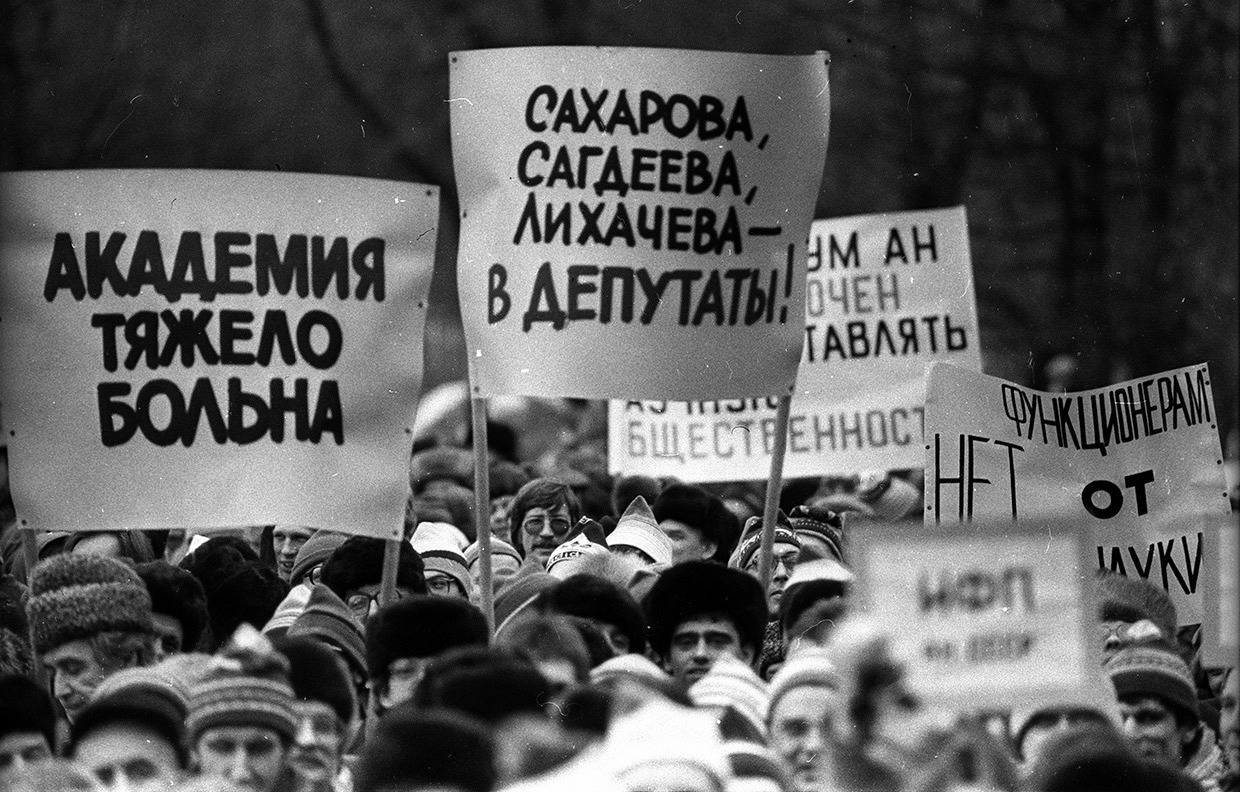
In March 1989, for the first time since 1918, contested elections to a Soviet legislative body took place. This alone was revolutionary. Many senior Communist Party officials who ran as deputies were defeated. The elections brought a new wave of democratic and nationalist political leaders into politics. Boris Yeltsin won a landslide victory from an at-large seat in Moscow.
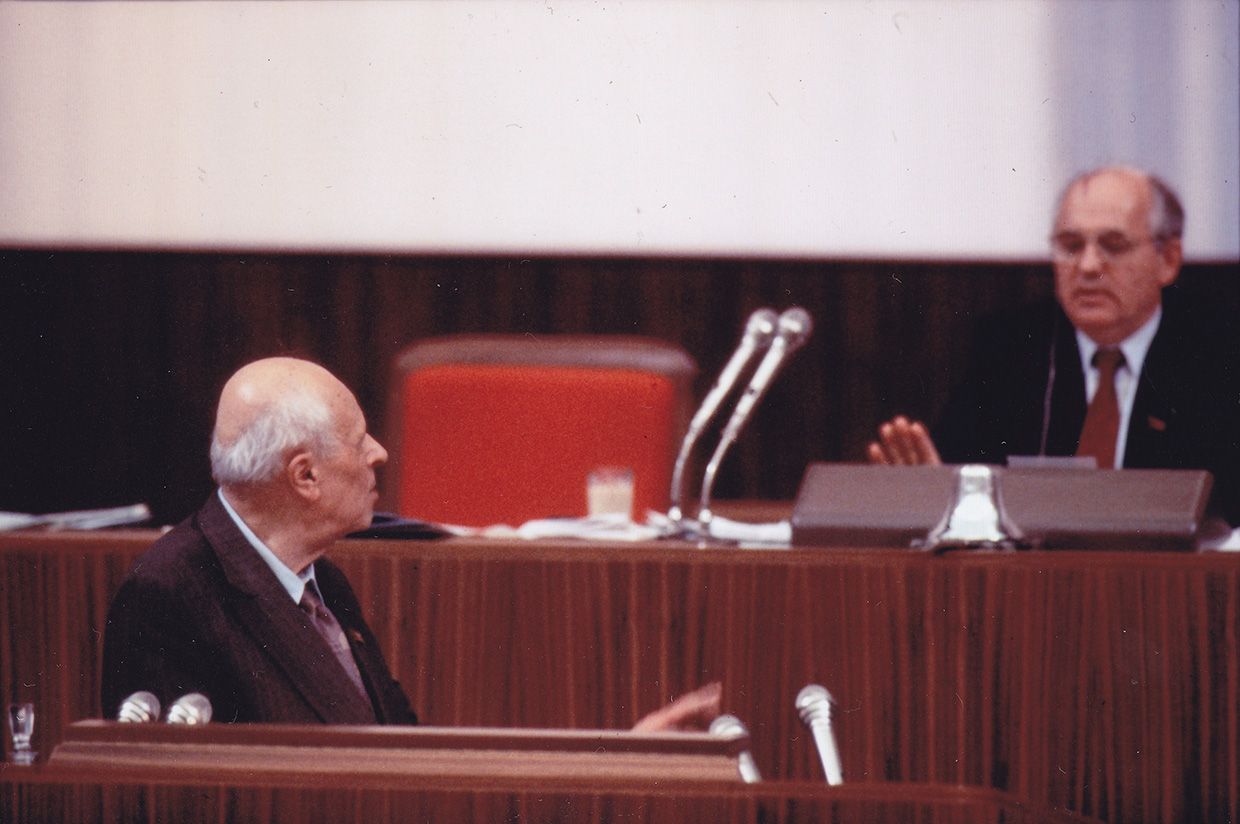
Notable non-endorsed candidates elected included anti-corruption prosecutor Telman Gdlyan, physicist Andrei Sakharov, lawyer Anatoly Sobchak, and ethnographer Galina Starovoytova. One Politburo member and five Central Committee members lost re-election to non-endorsed candidates, causing shock in the Party. When the First Congress convened in May 1989, the televised proceedings featuring speeches by figures such as Andrei Sakharov riveted the public.
Under Putin, a very young Russian democracy gradually moved to a hybrid political system and then to a much more closed authoritarian regime.
The backslide of democracy in Russia accelerated significantly following Moscow’s full-scale invasion of Ukraine in February 2022. The 2024 elections were the most unfree Russian elections since the demise of the Soviet Union. They were set up not simply as a plebiscite for the president, but also as an endorsement of Russia’s war against Ukraine and a proof of unity. While elections are held in Russia today, there is no viable or meaningful alternative to Putin on the ballot: no independent candidate would stand a chance at a national level and occasional wins on local level are becoming less likely with each elections cycle.
The contrast with the 1989 elections is striking and almost paradoxical. The 1989 Soviet elections — held under a communist dictatorship — produced genuine shocks. Today’s Russian elections, held under a nominally constitutional republic with the language of democracy, are by most measures less free than those last Soviet-era contests. The machinery of managed democracy has proven more durable than the Soviet system it replaced — precisely because it maintains the forms of electoral legitimacy while hollowing out its substance entirely.