
37th Anniversary: A Watershed Moment in the Soviet History
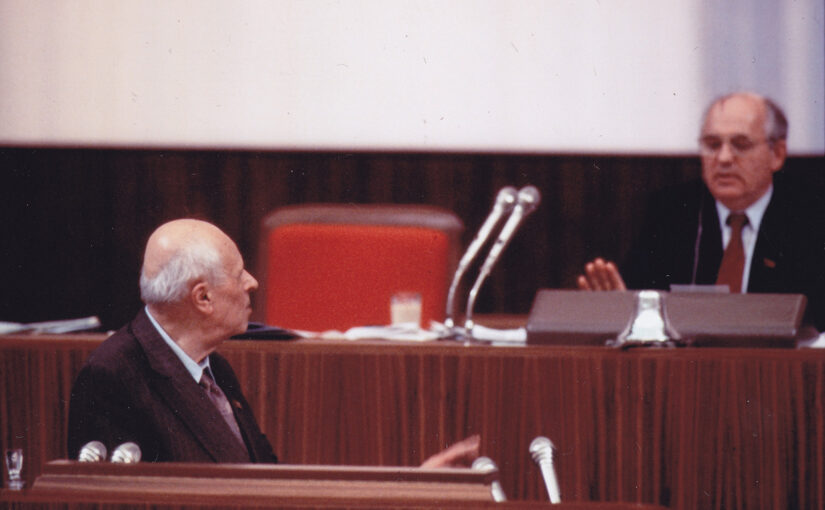
Legislative elections were held in the Soviet Union on 26 March 1989 to elect members of the Congress of People’s Deputies (CPD), with run-offs continuing through May. They were the first partially free nationwide elections held in the Soviet Union and would be the last national elections held in that country before its dissolution in 1991.
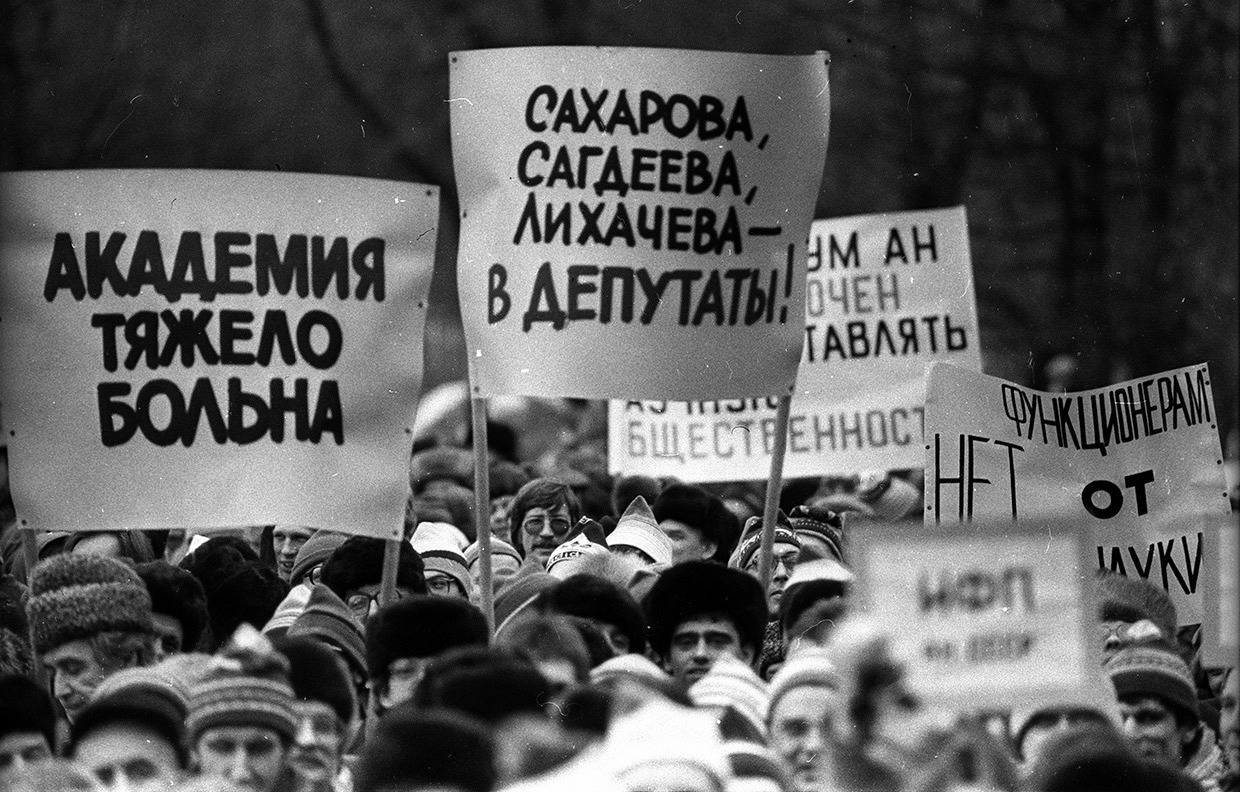
In March 1989, for the first time since 1918, contested elections to a Soviet legislative body took place. This alone was revolutionary. Many senior Communist Party officials who ran as deputies were defeated. The elections brought a new wave of democratic and nationalist political leaders into politics. Boris Yeltsin won a landslide victory from an at-large seat in Moscow.
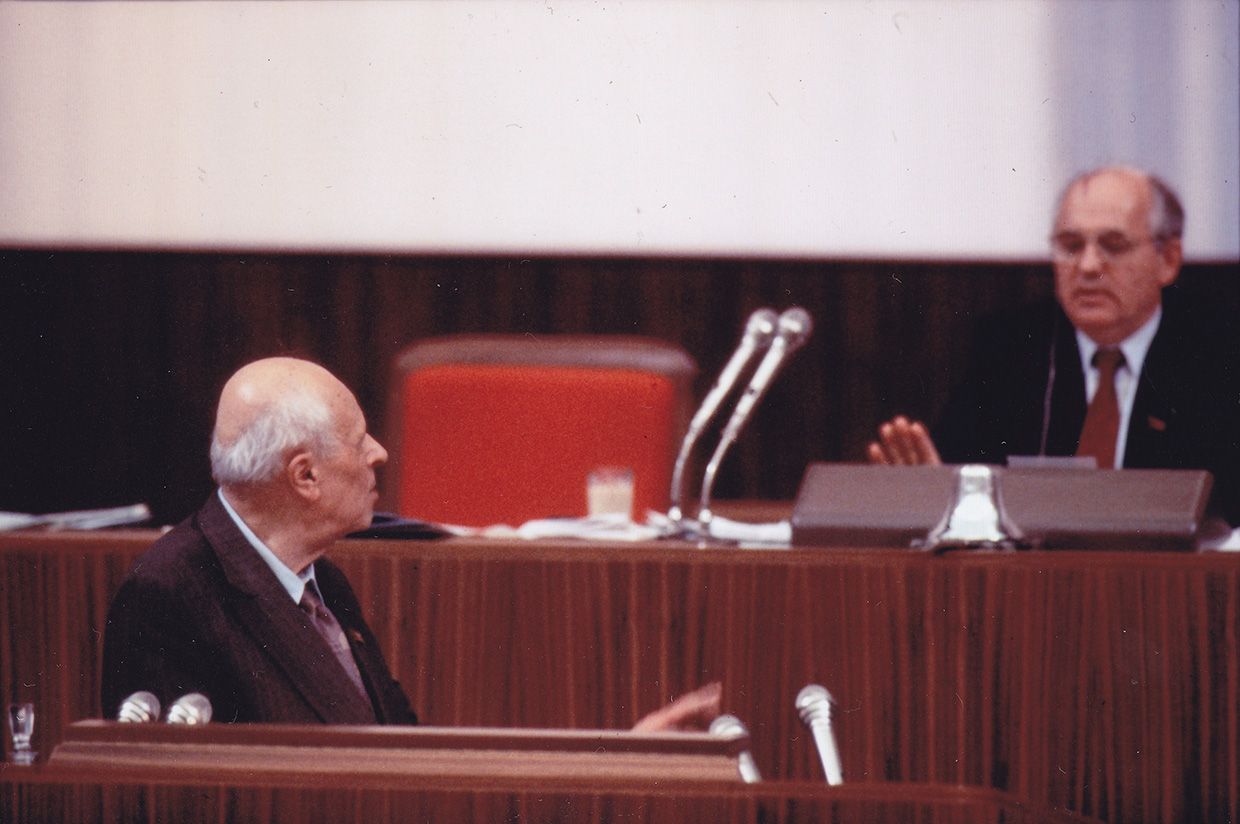
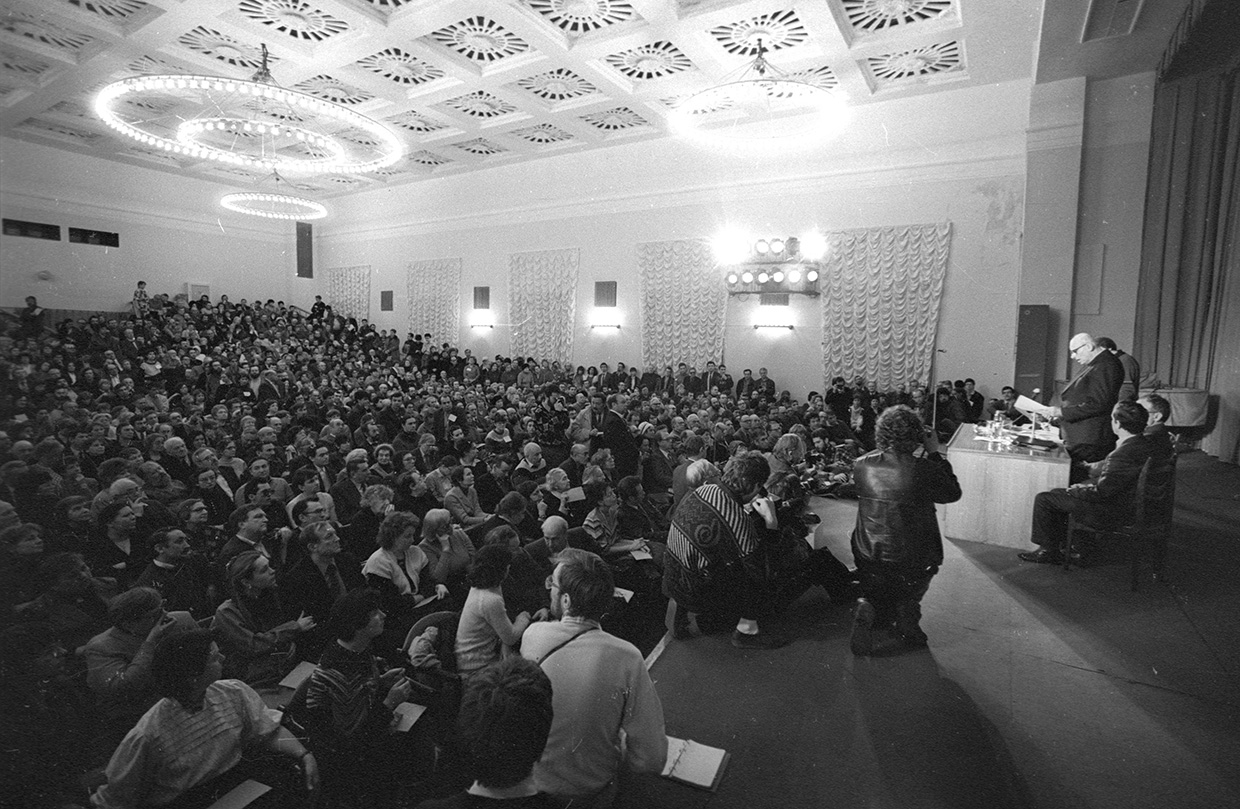
Notable non-endorsed candidates elected included anti-corruption prosecutor Telman Gdlyan, physicist Andrei Sakharov, lawyer Anatoly Sobchak, and ethnographer Galina Starovoytova. One Politburo member and five Central Committee members lost re-election to non-endorsed candidates, causing shock in the Party. When the First Congress convened in May 1989, the televised proceedings featuring speeches by figures such as Andrei Sakharov riveted the public.
Under Putin, a very young Russian democracy gradually moved to a hybrid political system and then to a much more closed authoritarian regime.
The backslide of democracy in Russia accelerated significantly following Moscow’s full-scale invasion of Ukraine in February 2022. The 2024 elections were the most unfree Russian elections since the demise of the Soviet Union. They were set up not simply as a plebiscite for the president, but also as an endorsement of Russia’s war against Ukraine and a proof of unity. While elections are held in Russia today, there is no viable or meaningful alternative to Putin on the ballot: no independent candidate would stand a chance at a national level and occasional wins on local level are becoming less likely with each elections cycle.
The contrast with the 1989 elections is striking and almost paradoxical. The 1989 Soviet elections — held under a communist dictatorship — produced genuine shocks. Today’s Russian elections, held under a nominally constitutional republic with the language of democracy, are by most measures less free than those last Soviet-era contests. The machinery of managed democracy has proven more durable than the Soviet system it replaced — precisely because it maintains the forms of electoral legitimacy while hollowing out its substance entirely.
Laying Flowers in Defiance
Moscow, the Russian capital where Andrei Sakharov was born, raised, and spent most of his adult life, remains a city without a public monument to one of its world-renowned citizens (one statue does exist, but it stands behind the closed gates of MIFI, one of Moscow’s universities).
In 2021, during the centenary of Sakharov’s birth, which was marked across the country, the idea of erecting a monument in Moscow was actively discussed. One proposed location was Prospekt Sakharova, a major thoroughfare in central Moscow. However, the authorities openly expressed concern that combining a street bearing his name with a monument could turn the site into a focal point for political protest.
Following the start of the war against Ukraine, Russian authorities swiftly suppressed nearly all public expressions of dissent. Even laying flowers at existing monuments to Ukrainian writers has, at times, led to detention by police. Despite this, placing flowers in certain locations on specific dates remains one of the few ways to express defiance and protest against the Kremlin.
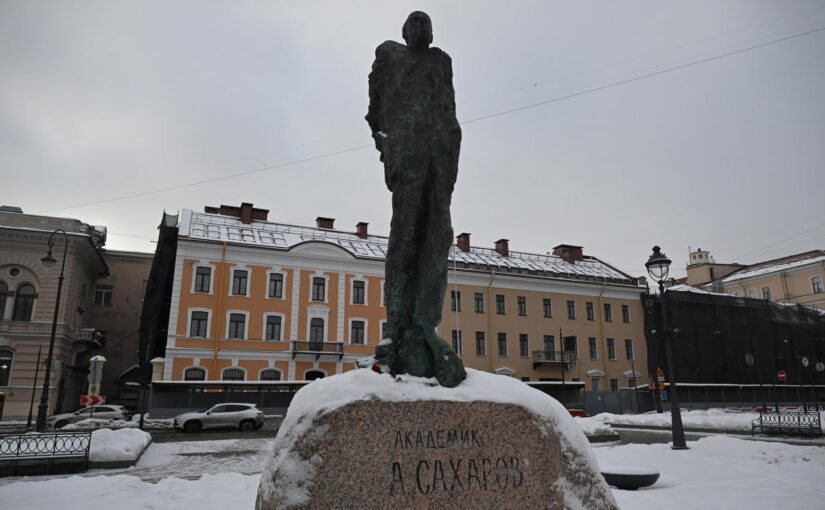
Andrei Sakharov’s statue in St Petersburg, erected in 2003, has become one such site. In the past three years, people have gathered there to lay flowers on the dates marking Alexei Navalny’s birth and death. Since 2024, the monument — situated in a quiet square surrounded by the historic buildings of St Petersburg University — has evolved into an informal meeting place to honour Navalny, while drawing parallels between the two men, both of whom courageously opposed the regime. Anti-war single-person pickets, as well as small commemorations for victims of political repression, also occasionally take place at the site.
56th anniversary of Letter of the Three
“Lavrentiy Pavlovich, why are we always in the position of catching up? Why can’t we move ahead ourselves instead of copying Western models?”
This was a daring question that Andrei Sakharov posed to Lavrentiy Beria in the early 1950s. Beria, the feared head of the secret police, had been appointed by Stalin to lead Department S, which was tasked with developing nuclear weapons for the Soviet Union. His reply was blunt, essentially suggesting that a market-based approach in a free country produced superior results.
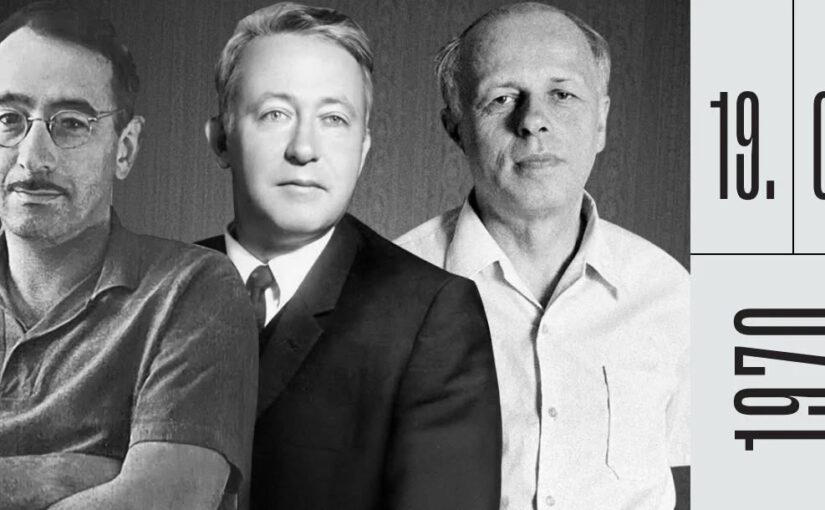
Twenty years later, Andrei Sakharov, together with fellow physicist Valentin Turchin and historian Roy Medvedev, felt compelled to continue this discussion with Leonid Brezhnev and the Soviet leadership. In their “Letter of the Three,” they called for a free and open debate on the democratization of the Soviet Union. Academic rather than polemical in tone, the letter proposed a 14-point program of reforms, including the release of all prisoners of conscience, increased investment in education and the environment, judicial reform, and free elections. They warned that without democratization, the USSR would fall further behind in technological progress, education, and healthcare.
The Soviet authorities responded predictably: with harassment and searches. Medvedev was dismissed from his position, and Turchin was forced into exile abroad. Eventually, Sakharov himself was sent into internal exile in the city of Gorky.
Gorbachev’s perestroika finally arrived in 1985, echoing the gradual democratization proposed by Sakharov and his colleagues some 15 years earlier. Arguably, it came too late. By then, the USSR was on the brink of bankruptcy, with its republics already pushing for independence.
* From left to right: Turchin, Medvedev, Sakharov. The illustration is taken from the Moskvich mag.

Museum of Memory: ‘Soviet Genocide’ museum to replace museum of the history of GULAG
In November 2024, Museum of the History of GULAG was suddenly closed, allegedly, for fire safety violations, which were labelled as “strange” by many Muscovites who believed that this was a part of a broader effort by the authorities to downplay Stalin’s atrocities. Its closure came as Russian authorities have worked to downplay Soviet-era repressions in recent years, an effort that has intensified since the 2022 full-scale invasion of Ukraine.
President Vladimir Putin has regularly evoked World War II history in justifying the invasion, claiming it was needed to “denazify” Ukraine and stop “genocide” against the Russian-speaking population of partially occupied eastern Ukraine.
Today, an announcement came that the museum will at last re-open – but in a rebranded capacity, as a Museum of Memory, dedicated to the genocide of the Soviet nations by the Nazis. The newly appointed director of the museum Kalashnikova defined the mission of the new museum as “cultivating a strong rejection of Nazism in all its forms in the current generation.”
The Stalin’s GULAG system was comprised of around 30,000 labor camps. According to the estimates, between 14 and 25 million Soviet citizens were imprisoned in the GULAG between 1929 and 1953 (the year when Stalin died). Contrary to popular belief, the majority of inmates were not political prisoners but were often held for petty crimes, such as being late to work or “theft of state property” (like taking a few potatoes from a field). The low estimate of deaths in the GULAG stands at 1.5 million people, while some estimates place it much higher, up to 15 million. Stalin’s mass repressions caused mass death and suffering, affecting most families in the USSR.
In 2001, the GULAG museum was founded by one of the system’s survivors, Anton Anton-Ovsyenko, eventually becoming a large state-funded museum. Its vast collection of personal testimonies and artefacts served to document the Soviet repression and Stalinist crimes against their own people.
P.S. In the beginning of this week two European structures of the Memorial, International Memorial Association and the Zukunft Memorial were added to the list of “undesirable” organizations of Russian Justice Ministry, so they can’t legally operate in Russia any more.
The Memorial is the Nobel Peace Prize laureate, the oldest organisation specialised on the history of the Soviet repressions. Andrei Sakharov was its first chairman.

In Memoriam: Semyon Gluzman (10.09.1946 – 16.02.2026)
Upon graduating from a medical school where he earned his M.D. qualifications as a psychiatrist, Gluzman became the first Soviet medic to openly oppose the use of psychiatry for political purposes. In 1971, he wrote an absentia report on General Piotr Grigorenko, declaring him sane. Grigorenko was committed to a psychiatric hospital for urging Crimean Tatars to fight to reverse the consequences of Stalin’s ethnical cleansing. In response to this direct challenge to the Soviet regime, Gluzman was arrested, charged with anti-Soviet agitation and sentenced to seven years in labor camps for defending Grigorenko. Amnesty International then recognized him as a medic imprisoned for his political beliefs.
In 1991, upon disintegration of the USSR, Gluzman founded the Ukrainian Psychiatric Association, setting out to break up the Soviet legacy of dehumanizing the most vulnerable and bringing rehabilitation and modern healthcare to Ukrainian hospitals.
Gluzman’s exceptional courage and adherence to ideals of humanism, renunciation of using psychiatry against political dissidents as well as for dissemination of ethical principles during the reform of mental health service in Ukraine earned him many awards and recognitions from international organizations, including the Geneva Prize for Human Rights in Psychiatry from the World Psychiatric Organization.
Gluzman refused to evacuate from Kiyv, his birthplace, when the full-scale Russian aggression against Ukraine began four years ago. He remained living on the 15th floor of a tower block in the suburb of Kyiv, with increasingly frequent blackouts caused by Russia’s incessant targeting of civilian infrastructure, which often kept him unable to leave the building. At the end, the combined toll of his labor camp past and deprivations caused by the war were too much. On February 16th, Gluzman died in a hospital in his beloved Kiyv.
Please read a beautiful tribute to the man “whose only currency was truth”, written by his long-term comrade-in-arms Robert van Voren. Robert is a distinguished human rights activist who frequently visited Gluzman in Kyiv and carries out important work supporting mental health of Ukrainians affected by the war.

Elena Bonner Human Rights School
Admissions for the 12th Course Open Until 1 March 2026
Join thousands of graduates of the online human rights defence school named after Elena Bonner. The course is completely free for successful applicants. The course runs over a period of three months, with twice weekly evening or weekend online lectures, seminars and workshops, providing a balanced mix of theory and practice in the field of human rights defence.
Originally founded by Sakharov Center in Moscow in 2020, the school has been run as an independent project after Sakharov Center’s forced liquidation in 2023. The current intensive program, taught by experienced lawyers and human rights activists, is aimed at those living in Russia and Russians abroad. An important feature of the program is helping like-minded individuals to find each other while learning about human rights advocacy.
Personal data of participants is not collected, out of concern for everyone’s safety.
Additional information either through Telegram bot https://t.me/HRschool_bot or at https://bonner.center/
Sakharov Under Surveillance. An Exhibit at The Nobel Prize Museum. 6 February 2026
The Nobel Prize Museum jointly with a journalist Anna Narinskaya curated an exhibit, which will open in Stockholm on February 6th and will be on display till March 29th.
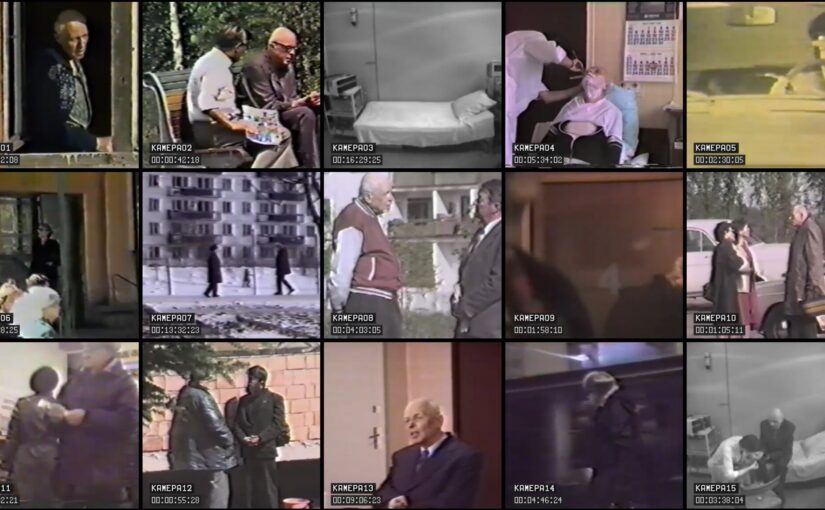
A unique art piece at the center of the exhibition is formed by KGB surveillance footage, which was secretly filmed during the nearly seven years of Andrei Sakharov’s exile in the city of Gorky. The stunning art piece offers just one facet of the continuous and comprehensive surveillance, which Andrei Sakharov was subjected most of his life but especially during the exile in 1980 – 1986.
Anna Narinskaya provided the following narration:
“In Gorky, Sakharov and his wife Elena Bonner were placed in an apartment without a telephone. KGB officers were always on duty in the entrance hall. When no one was at home, the apartment was regularly searched. KGB cars followed Sakharov and his wife wherever they went.
But even this massive surveillance wasn’t enough. Sakharov was watched by lots of agents with hidden cameras who pretended to be ordinary passersby, shop assistants, and clinical staff. In addition, cameras were installed in many places that Sakharov visited regularly, such as the hospital.”
During the years of Perestroika, when the KGB archives were briefly made available, the surviving video footage was handed over to the Sakharov’s family.
Recognising outstanding leadership of scientists on behalf of human rights

Since 2006, the American Physical Society awards a biennial Sakharov Prize so named in recognition of courageous and effective work of the Soviet physicist Andrei Sakharov furthering human rights and peaceful coexistence among the nations.
Once every two years, the award, consisting of a diploma and a $10,000 check, is presented at the annual general meeting of the APS. While full of meaning and with an impressive list of past recipients, the APS Sakharov Prize mostly stays out of the limelight. It would be hard to imagine a recipient deciding to bestow his or her diploma onto a political leader, in hope that it would, for example, safeguard their government research funding. But never say never.
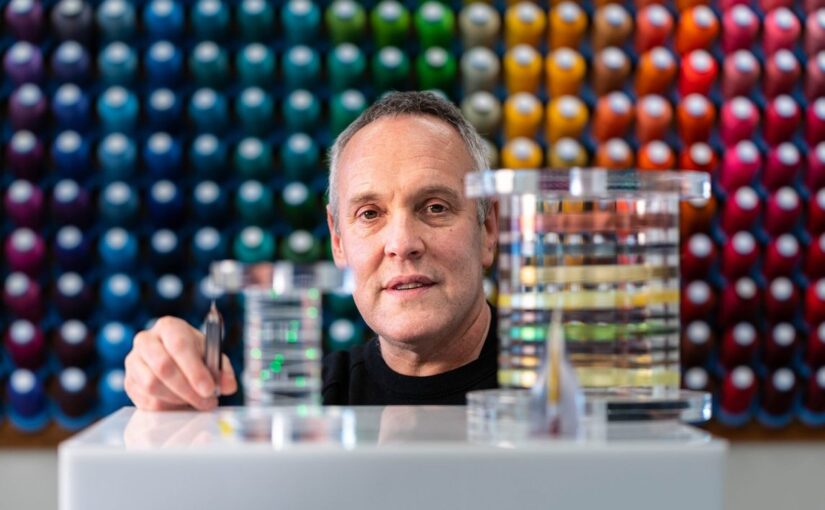
This year’s recipient, who will collect his prize at the March general meeting of the APS, is Yoel Fink, an MIT professor and a leading expert in photonics and materials science. Somewhat worryingly, his award is described as: “For defending the academic freedom and human rights of scientists working in the U.S.” Something that for decades had been taken for granted – academic freedom in the U.S. – got eroded to such an extent that defending it takes courage, with a possible detriment to one’s own scientific career or even liberty, as was the case with Andrei Sakharov.
Congratulations, Professor Fink! We stand with you, defending academic freedom as a crucible of a free and democratic society.

Wishing you peace, joy and happiness in this festive season!
As this year draws to a close, we extend our sincere gratitude for your continued commitment to the values of Andrei Sakharov. His dedication to peace, human dignity, and scientific progress remains profoundly relevant in today’s challenging global environment.
We are deeply grateful to each of you who has stood with us, who believes that Sakharov’s values still matter, and who understands how urgently the world needs voices like his today.
Please consider supporting our work furthering the legacy of Andrei Sakharov!
The Andrei Sakharov Foundation
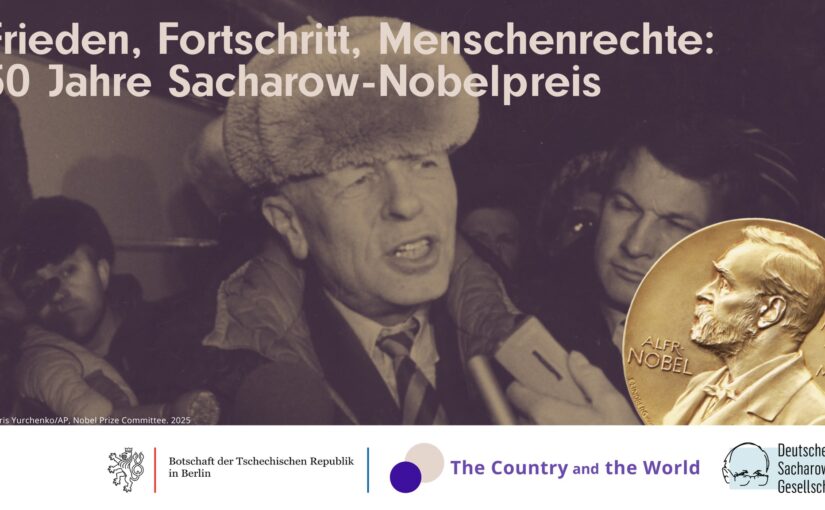
Peace, Progress, Human Rights — half a century since Sakharov’s award
On 10th December 1975, the anniversary of Alfred Nobel’s death, a man who became known as the father of the H-bomb and a courageous human rights defender, failed to show up at the Oslo City Hall. Andrei Sakharov — the ‘conscience of humanity’, who was so styled by the Nobel committee and regularly referred as such by President Ronald Reagan,— was instead standing outside a court building in Vilnius, attempting to attend the trial of Sergey Kovalev. Thus, the day could have been counted as a double failure: earlier, the Soviet authorities refused to allow Andrei Sakharov to travel to Norway to accept his award; presently, they blocked his attempts to enter the court room.
Yet, Sakharov’s wife and comrade-in-arms Elena Bonner made it to the ceremony delivering Sakharov’s Nobel lecture, which led to a standing ovation and revolutionized the international politics.
Ever a visionary with ‘planetary thinking’ and deep empathy for the mankind, Sakharov shared insights so profound and left a legacy so impactful that it’s as relevant today as it has ever been.
The world finds itself in a precarious state as today. There is a full-blown war in the heart of Europe, casually thrown nuclear threats, and widespread doubts of countries’ commitments to international treaties — not least, within NATO where the trust in the US offering nuclear umbrella had been deeply dented. At the same time, most world leaders agree that there is a burning need to overcome all these challenges.
Sakharov insisted that human rights must be at the forefront of any negotiations — only adhering to international human rights allows achieving a just and lasting peace and maintain international security. May it be the time to re-visit Sakharov’s ideas in attempt to deal with today’s complex challenges?
A public discussion in Berlin, December, 10, taking place on the 50th anniversary of Sakharov’s Nobel Peace Prize, will address those questions. The discussion organised by the German Sakharov Society.
Location: Berlin-Brandenburg Academy of Sciences (Leibniz Hall), Jägerstraße 22/23, 10117 Berlin, from 18.00 to 22.00
The event will be held in Russian and German with translation.